Understanding Tire Blowout Causes Before They Lead to Emergencies
Tire blowouts are among the most dangerous incidents a driver can experience. They happen suddenly, often leaving little time to react. While some blowouts result from unavoidable road hazards, many occur because of underlying factors that drivers can monitor or manage. Understanding what leads to a tire failure can help prevent emergencies and improve overall road safety.
In this article, we will explore the most common causes of tire blowouts, how to recognize warning signs, and steps drivers can take to reduce risk. From maintaining proper tire pressure to avoiding overloading, the right approach combines awareness, inspection, and preventive care.
Key Takeaways
- Tire blowouts often occur due to a combination of wear, pressure issues, heat, and impact
- Maintaining proper inflation is essential to reduce risk
- Overloading and excessive speed can accelerate tire failure
- Regular inspections reveal signs such as cracks, bulges, and tread wear
- Environmental factors and road hazards contribute to potential blowouts
- Awareness and preventive action reduce emergency situations on the road
What Is a Tire Blowout
Defining a Tire Blowout
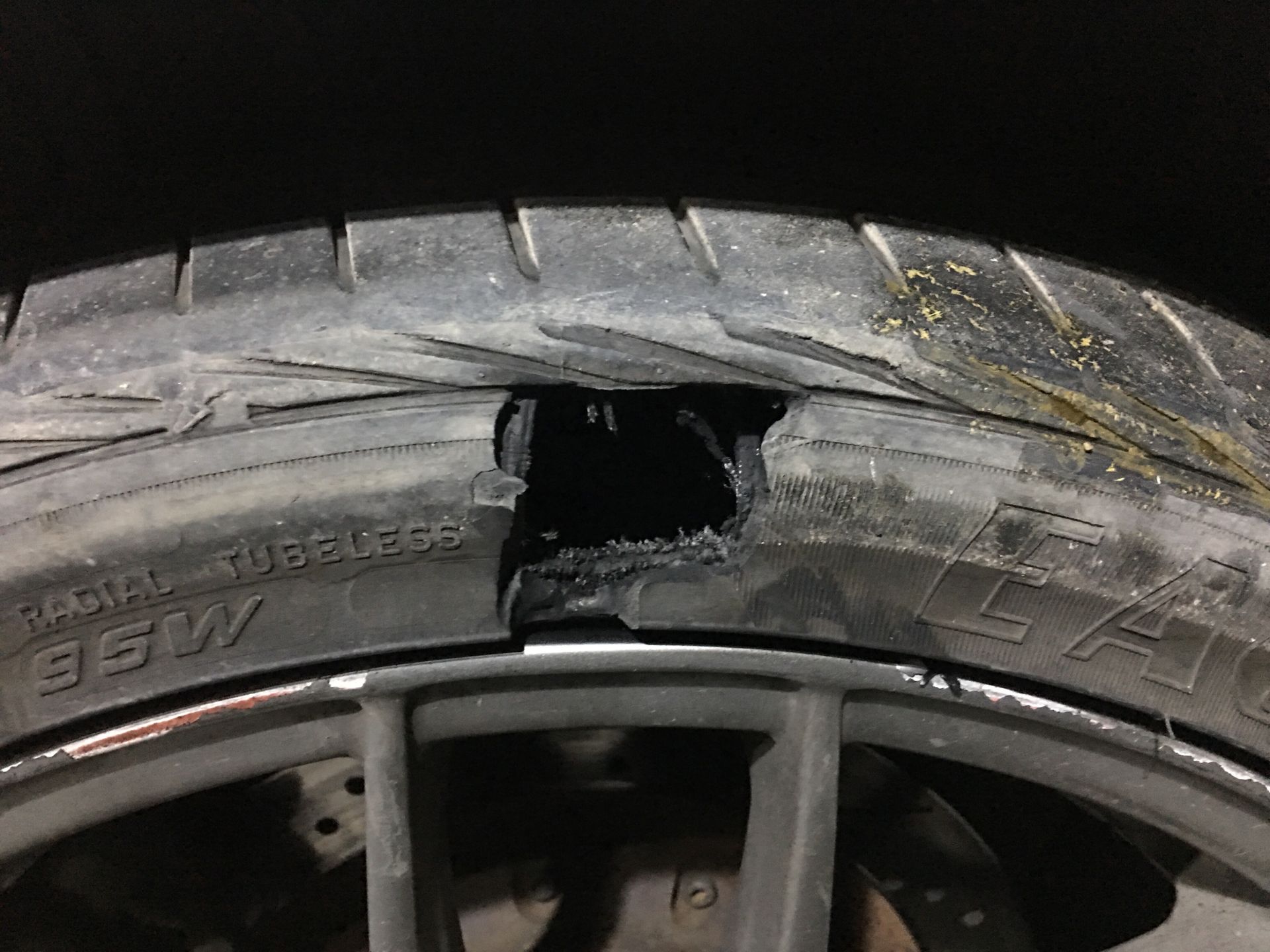
A tire blowout happens when a tire rapidly loses air pressure, leading to a sudden loss of stability. At high speeds, a blowout can cause the vehicle to veer uncontrollably, increasing the risk of collisions. Unlike slow leaks or minor punctures, blowouts are sudden and dangerous.
Why Blowouts Are Dangerous
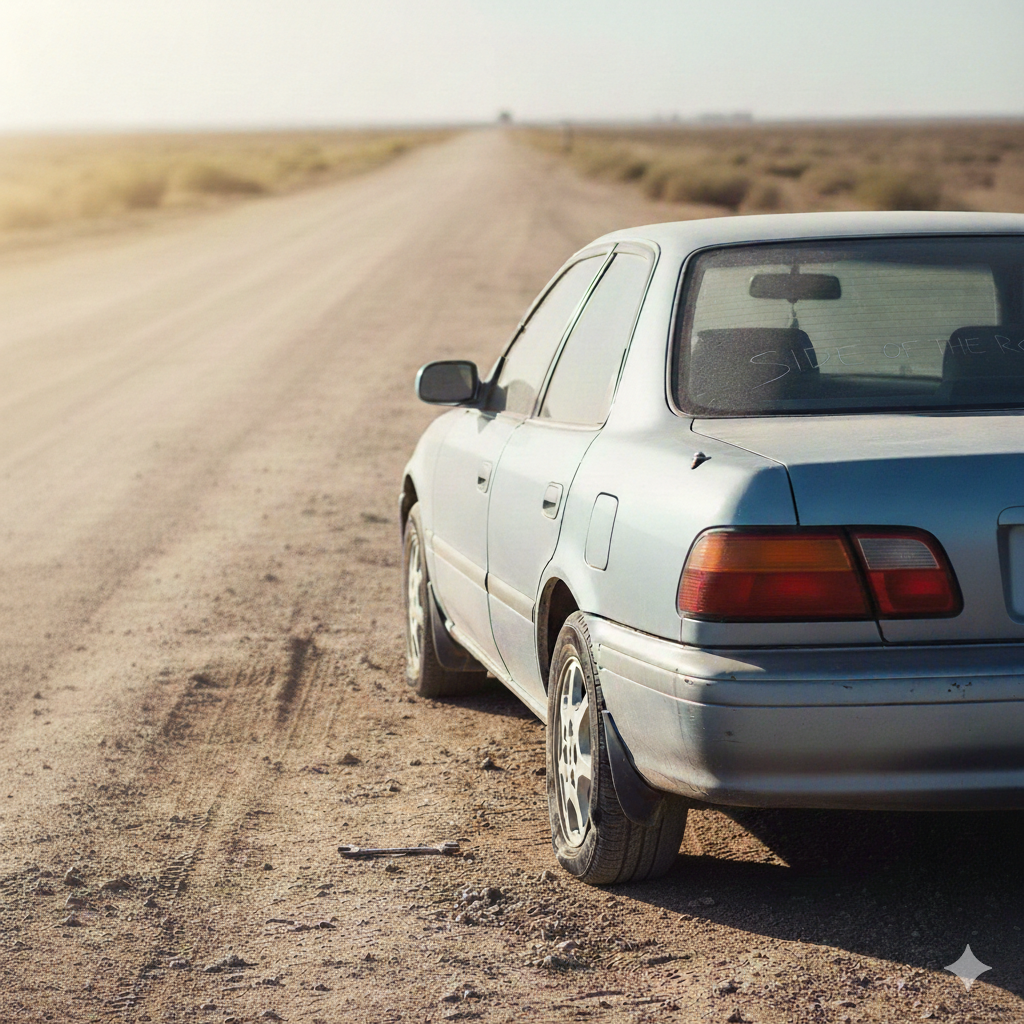
A blowout affects steering, braking, and overall control. Drivers may experience vibrations, vehicle pull, or swerving. Quick response is critical, but prevention remains the safest strategy.
Common Causes of Tire Blowouts
Underinflation
How Low Pressure Leads to Failure
Underinflated tires generate more heat because of increased flexing. Excess heat weakens tire materials, increasing the likelihood of a blowout.
Why Drivers Overlook Underinflation
Many drivers fail to check pressure regularly, and small leaks can go unnoticed. Tires may appear fine while internal stress builds over time.
Overloading
How Excess Weight Impacts Tires
Carrying more than a tire’s recommended load capacity increases pressure and heat. Overloaded tires wear faster and are more prone to sudden failure.
Practical Examples
Towing trailers, heavy cargo, or full passenger loads can all contribute. Understanding vehicle weight limits is essential for safe driving.
High Speed and Driving Habits
Speeding Increases Heat and Stress
High speeds make tires generate more heat. Combined with underinflation or wear, this can weaken the tire structure.
Aggressive Driving
Hard cornering, sudden braking, and frequent rapid acceleration stress tires and may contribute to failure.
Worn or Damaged Tread
How Tread Affects Tire Safety
Tread provides traction and disperses heat. Worn tread reduces stability and increases heat buildup.
Recognizing Worn Tread
Inspect tread depth using a gauge or the penny test. Uneven wear may indicate alignment or balance issues.
Road Hazards and Impacts
Common External Factors
Potholes, debris, and curbs can damage tires instantly. Repeated impacts weaken internal structures and increase blowout risk.
Signs of Damage
Bulges, cuts, or punctures on the sidewall or tread indicate compromised integrity. Ignoring damage can result in sudden failure.
Environmental Conditions
Temperature Extremes
Heat causes expansion, increasing internal pressure. Cold reduces pressure, causing uneven flexing and wear.
Seasonal Driving
Long summer trips on hot pavement or winter driving on icy roads both affect tire safety. Awareness of environmental impacts helps prevent problems.
Manufacturing Defects
Rare but Possible
Some tires may have defects in material or construction. While rare, defects can lead to premature failure.
How to Minimize Risk
Purchase tires from reputable manufacturers and check recall notices regularly.
Identifying Warning Signs Before a Blowout
Vibrations or Shaking
Persistent vibrations may indicate internal tire issues. They can appear at higher speeds or during braking.
Bulges, Blisters, and Sidewall Deformation
Visible deformities suggest weakened internal layers. Sidewall damage is particularly dangerous.
Frequent Loss of Air Pressure
Repeatedly low pressure often indicates a leak or structural weakness. Do not ignore this warning.
Cracks or Dry Rot
Aging tires or exposure to UV light can cause cracks. These reduce flexibility and strength, increasing blowout risk.
Noise Changes
Thumping, humming, or other unusual sounds can signal imbalance or internal damage. Monitoring these sounds helps catch issues early.
Preventive Maintenance Strategies
Regular Visual Inspections
Check tires for tread depth, cracks, sidewall bulges, and embedded objects. Monthly inspections are recommended.
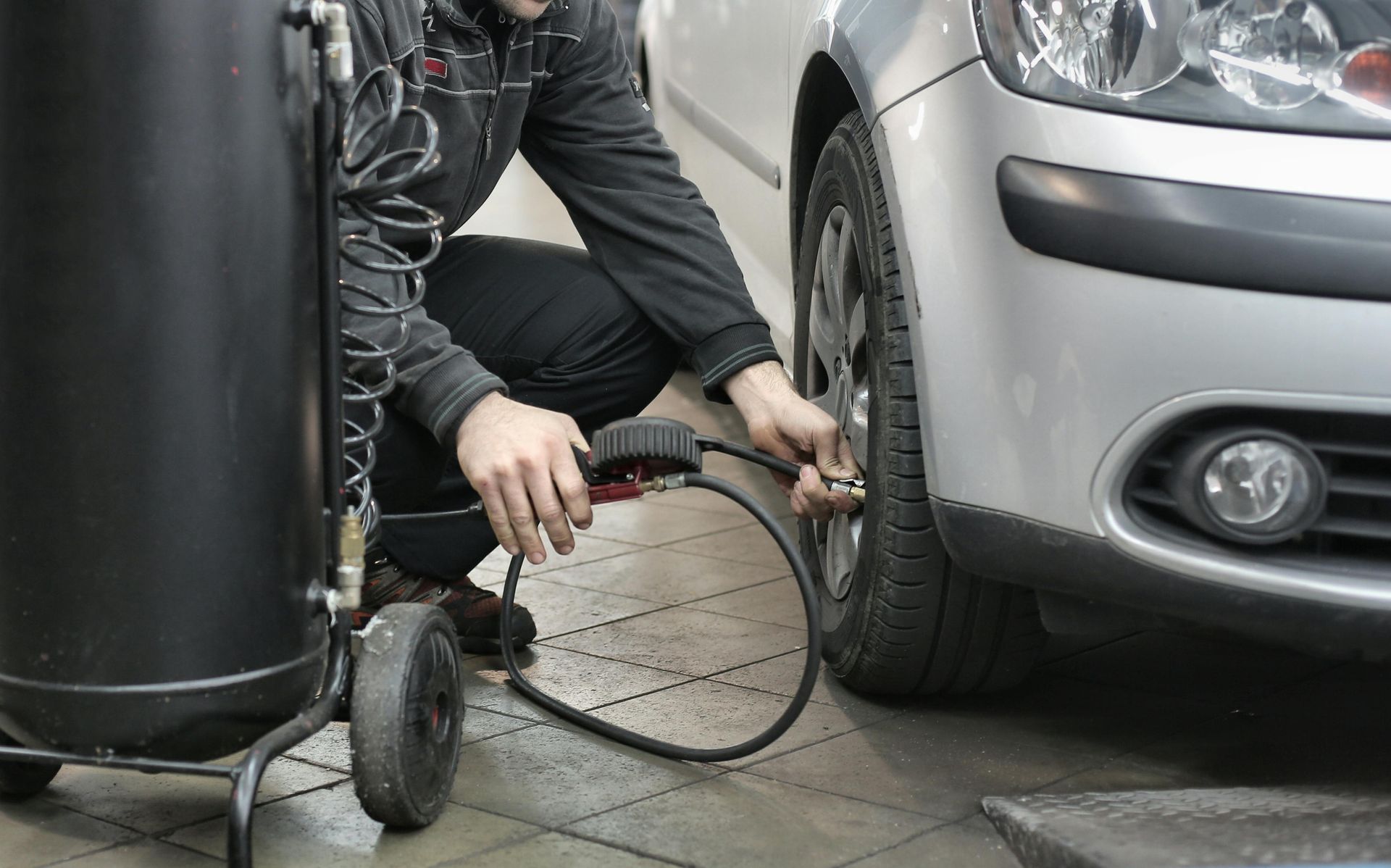
Maintain Proper Tire Pressure
Check pressure at least once a month and before long trips. Follow manufacturer guidelines for your vehicle.
Rotate Tires Regularly
Tire rotation promotes even wear and extends lifespan. Follow the vehicle or tire manufacturer’s recommended schedule.
Avoid Overloading the Vehicle
Know your vehicle’s weight limits and distribute cargo evenly. Towing and extra passengers should be considered carefully.
Adjust Driving Habits
Reduce aggressive maneuvers and maintain moderate speeds. Smooth driving reduces heat buildup and wear.
The Role of Mobile Tire Services
Advantages of Mobile Tire Repair
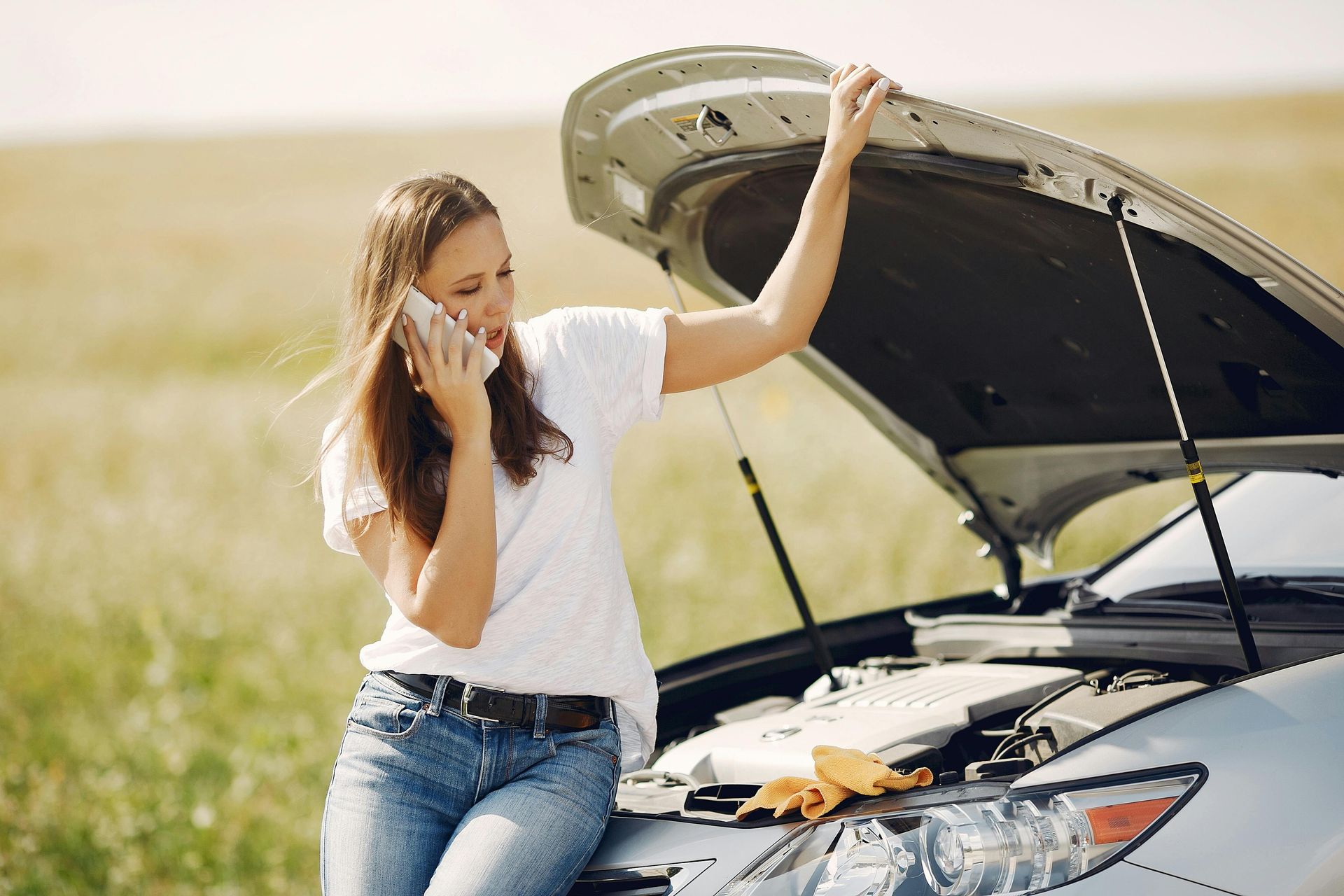
Mobile services provide quick inspection, repair, or replacement without leaving the vehicle stranded. They are especially useful during unexpected emergencies or when time is limited.
Parkland and Local Options
Mobile tire services in Parkland and similar areas offer on-site assistance, improving convenience and safety.
Comparing High Risk Factors
| Risk Factor | Description | Preventive Action |
|---|---|---|
| Underinflation | Low tire pressure increases heat | Check pressure monthly |
| Overloading | Excess weight increases stress | Follow vehicle weight limits |
| High speed | Generates excess heat | Maintain moderate speed |
| Worn tread | Reduces traction and increases heat | Inspect tread depth regularly |
| Road hazards | Potholes, debris, curbs | Avoid hazards when possible |
| Environmental conditions | Heat, cold, UV exposure | Store properly and monitor weather impacts |
This table shows the most common contributors to blowouts and simple prevention strategies.
Seasonal Considerations
Summer Driving
High temperatures increase tire pressure and heat stress. Long trips in hot weather require frequent inspections.
Winter Driving
Cold temperatures reduce pressure and make tires more brittle. Adjust tire pressure according to manufacturer recommendations.
When to Replace Tires
- Tires older than six years regardless of tread depth
- Sidewall bulges or blisters
- Tread depth below 2/32 of an inch
- Visible cracks or severe dry rot
- Tires that have suffered significant impact or damage
Timely replacement prevents blowouts and improves overall vehicle safety.
Blowout Prevention Checklist
Keeping this checklist in mind helps drivers proactively reduce the risk of tire blowouts:
- Inspect tires monthly
for tread wear, cracks, bulges, and embedded debris.
- Maintain proper tire pressure
according to manufacturer specifications, checking before long trips.
- Rotate tires regularly
to ensure even wear and extend tire life.
- Avoid overloading the vehicle; distribute cargo evenly and follow towing limits.
- Monitor driving habits; avoid aggressive acceleration, hard braking, and high-speed cornering.
- Check spare tire condition
and ensure it is ready for emergencies.
- Evaluate tires after impacts
with curbs, potholes, or road debris.
- Consider tire age; replace tires older than six years even if tread remains adequate.
- Adjust for seasonal conditions
by checking pressure and inspecting for environmental effects like heat, cold, or UV exposure.
- Use reputable tires
that match your vehicle’s specifications for load capacity and speed rating.
This checklist acts as a practical reference for drivers to maintain tire safety and catch warning signs before they escalate into emergencies.
Extended Preventive Steps for Drivers
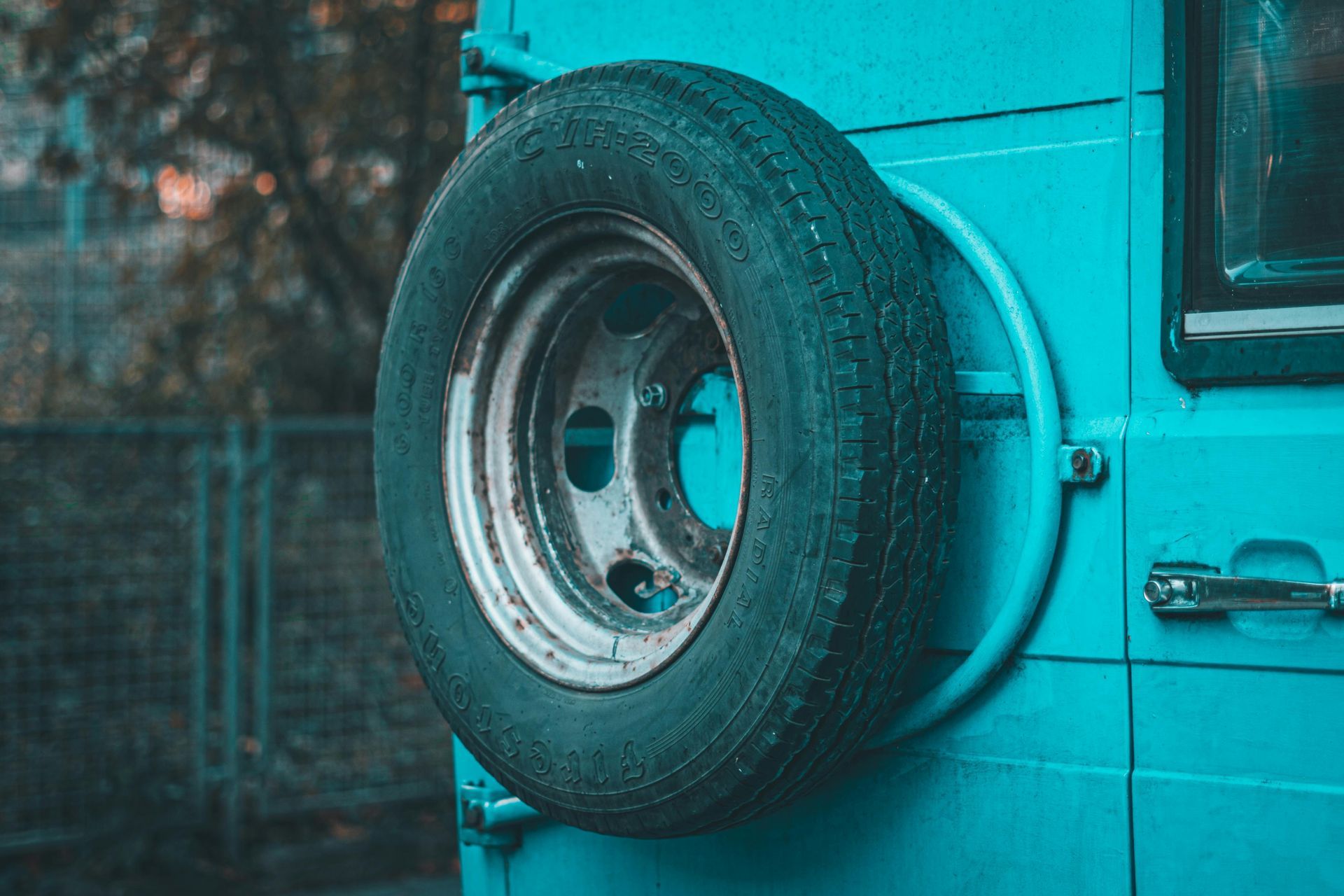
- Check the spare tire:
Often overlooked, a ready-to-use spare in good condition can prevent further complications during a roadside emergency.
- Use recommended tires:
Tires should match the vehicle’s manufacturer specifications for size, speed rating, and load capacity.
- Seasonal swaps and inspections:
For areas with extreme winter or summer temperatures, rotating and checking tires seasonally ensures safety and longevity.
- Professional evaluations after impacts:
After hitting a curb or pothole, having tires professionally inspected can identify unseen internal damage.
Adding these considerations increases driver awareness and reinforces the importance of comprehensive tire care.
Frequently Asked Questions
Can a tire blow out without warning
Yes, some blowouts occur suddenly. However, many have warning signs that go unnoticed.
Does proper inflation completely prevent blowouts
No, inflation reduces risk but does not eliminate it. Wear, damage, and heat still matter.
Are all blowouts caused by driver error
No, factors like road hazards and manufacturing defects can cause blowouts even with careful driving.
How often should tires be inspected
Visual inspections monthly and before long trips are recommended.
Can mobile tire services help prevent emergencies
Yes, mobile services provide timely inspection, maintenance, and repairs to reduce risk of roadside emergencies.
Final Thoughts
Understanding
tire blowout
causes is essential for safe driving. Drivers who monitor tire pressure, inspect for wear or damage, and practice preventive maintenance reduce the likelihood of emergencies. Awareness of environmental and operational factors, combined with routine inspections and
timely professional service, ensures tires remain reliable and safe on the road.
If you want peace of mind and professional assistance, schedule a tire inspection today. Our team can provide on-site evaluation, repair, or replacement to keep your vehicle safe and prevent unexpected blowouts.
Reference:
https://www.jcmotorsinc.com/how-to-handle-a-tire-blowout-at-high-speeds