Top 5 Causes of Flat Tires in Coral Springs & How to Avoid Them
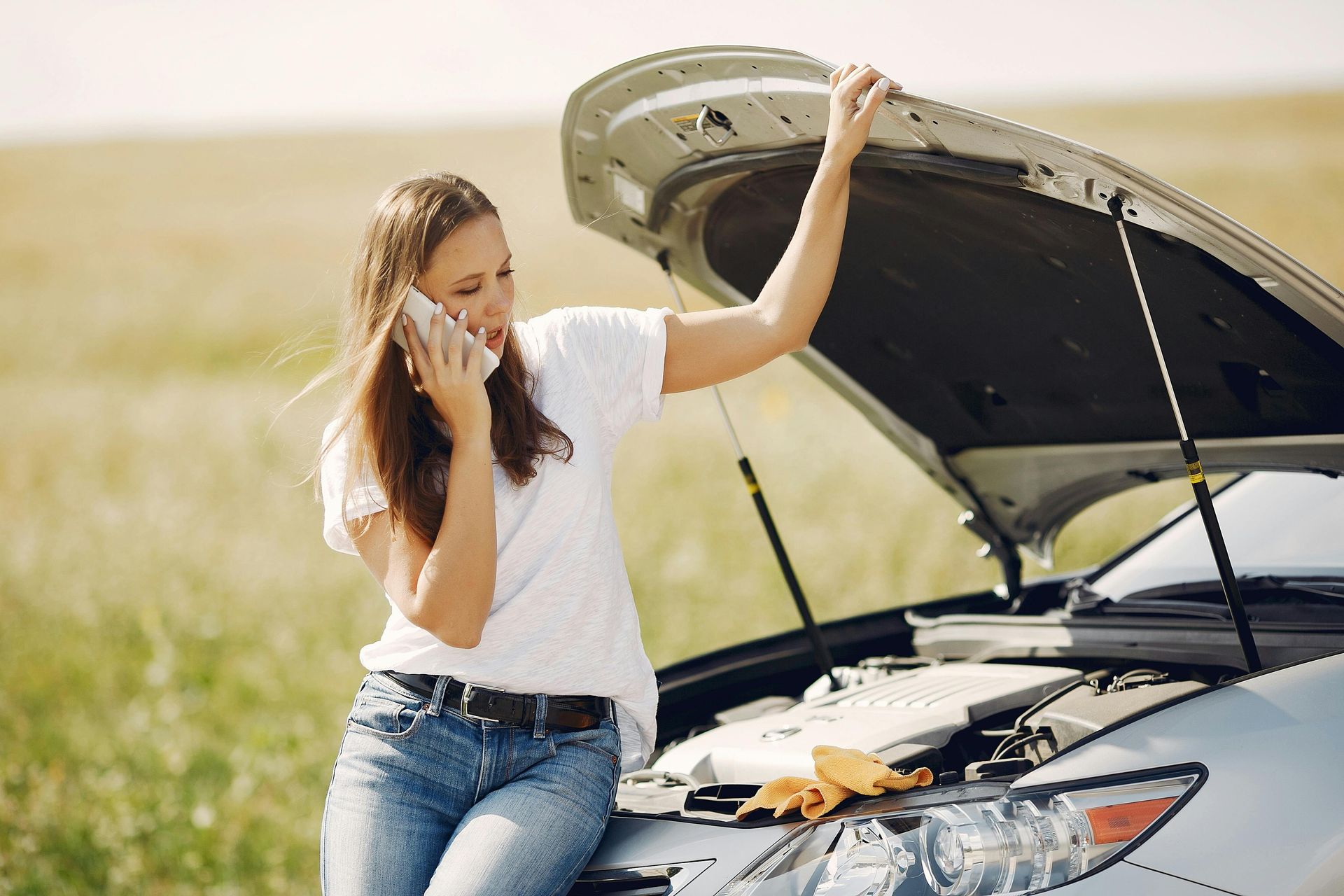
Getting a flat tire or blowout while driving in Coral Springs can ruin your day and put you in danger. Knowing what causes flat tire and tire blowout problems helps you take steps to prevent them and stay safe on busy South Florida roads.
Key Takeaways
- Wrong air pressure causes most tire blowouts by creating heat that damages tire parts
- Check tire pressure monthly when tires are cold to catch problems early
- Road hazards like potholes, glass, and nails can puncture or damage tires instantly
- Old or worn tires fail more often and need replacement every 6-10 years
- Too much weight in your car stresses tires beyond their safe limits
- Mobile tire services can help fix problems on the spot without towing
1. Wrong Air Pressure: The Top Cause
Wrong tire pressure causes most tire blowouts and flat tires. When your tires don't have enough air or have too much air, they work harder and can fail suddenly.
What Happens With Wrong Pressure
Underinflated tires flex too much when you drive. This bending creates heat that breaks down the rubber and metal parts inside the tire. The heat weakens the tire until it bursts.
Overinflated tires can't bend properly to absorb bumps from potholes or road debris. They bounce more and are easier to puncture or damage.
Temperature changes affect tire pressure, too. For every 10 degrees the temperature changes, tire pressure goes up or down by about 1-2 PSI.
How to Prevent Pressure Problems
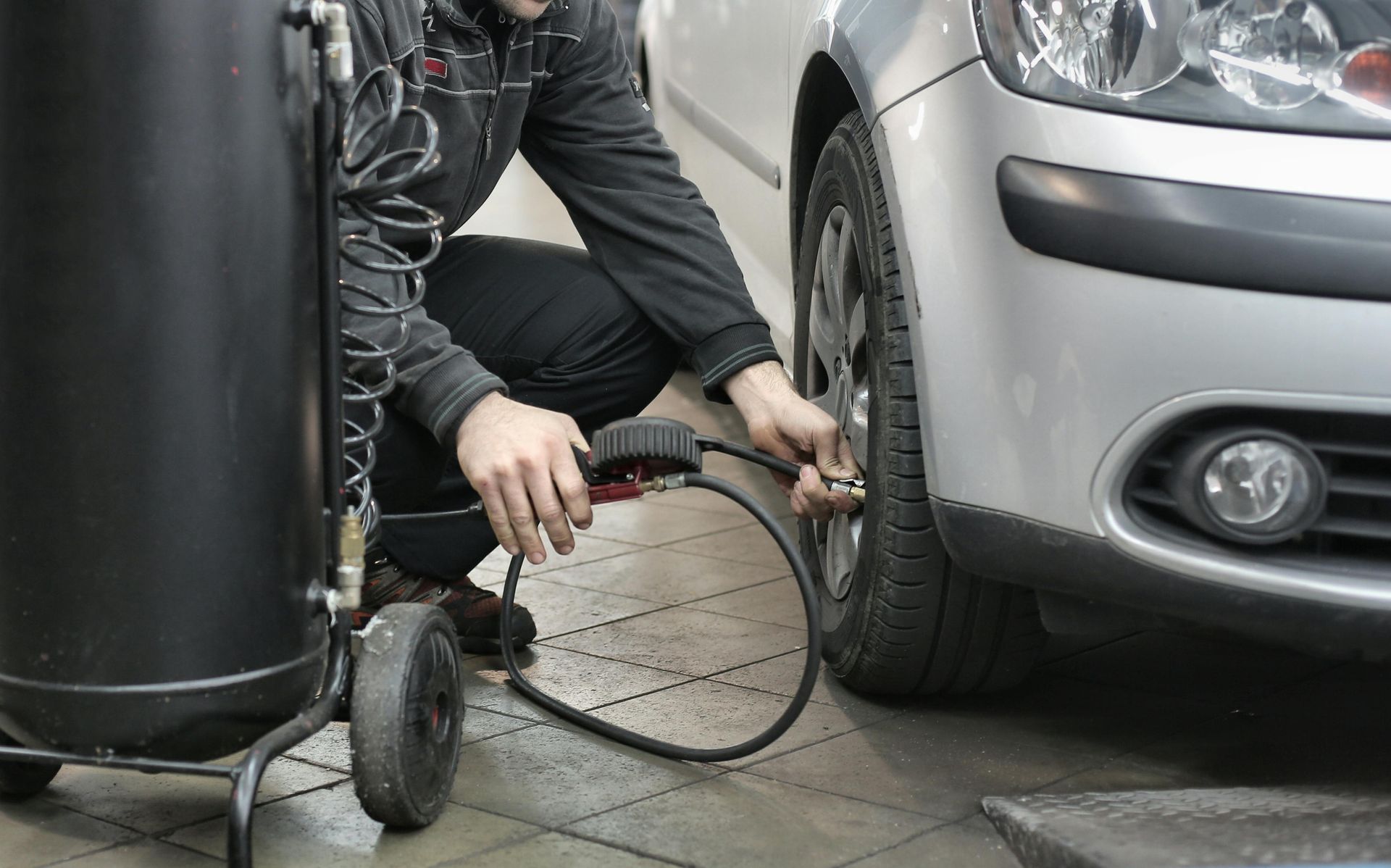
Check pressure monthly using a tire gauge when tires are cold (not driven for 3 hours). Find your car's correct pressure on the sticker inside the driver's door or in your owner's manual.
Buy a good tire gauge for accurate readings. Digital gauges work well, but any reliable gauge helps. Gas station air pumps often give wrong readings because they get heavy use.
Watch for warning signs like:
- Your car pulling to one side
- Tire pressure warning light
- Tires looking flat or bulging
- Poor gas mileage
2. Road Hazards and Sharp Objects
Coral Springs roads have many hazards that can damage tires. Construction, traffic, and weather create dangerous conditions for your tires.
Common Road Dangers
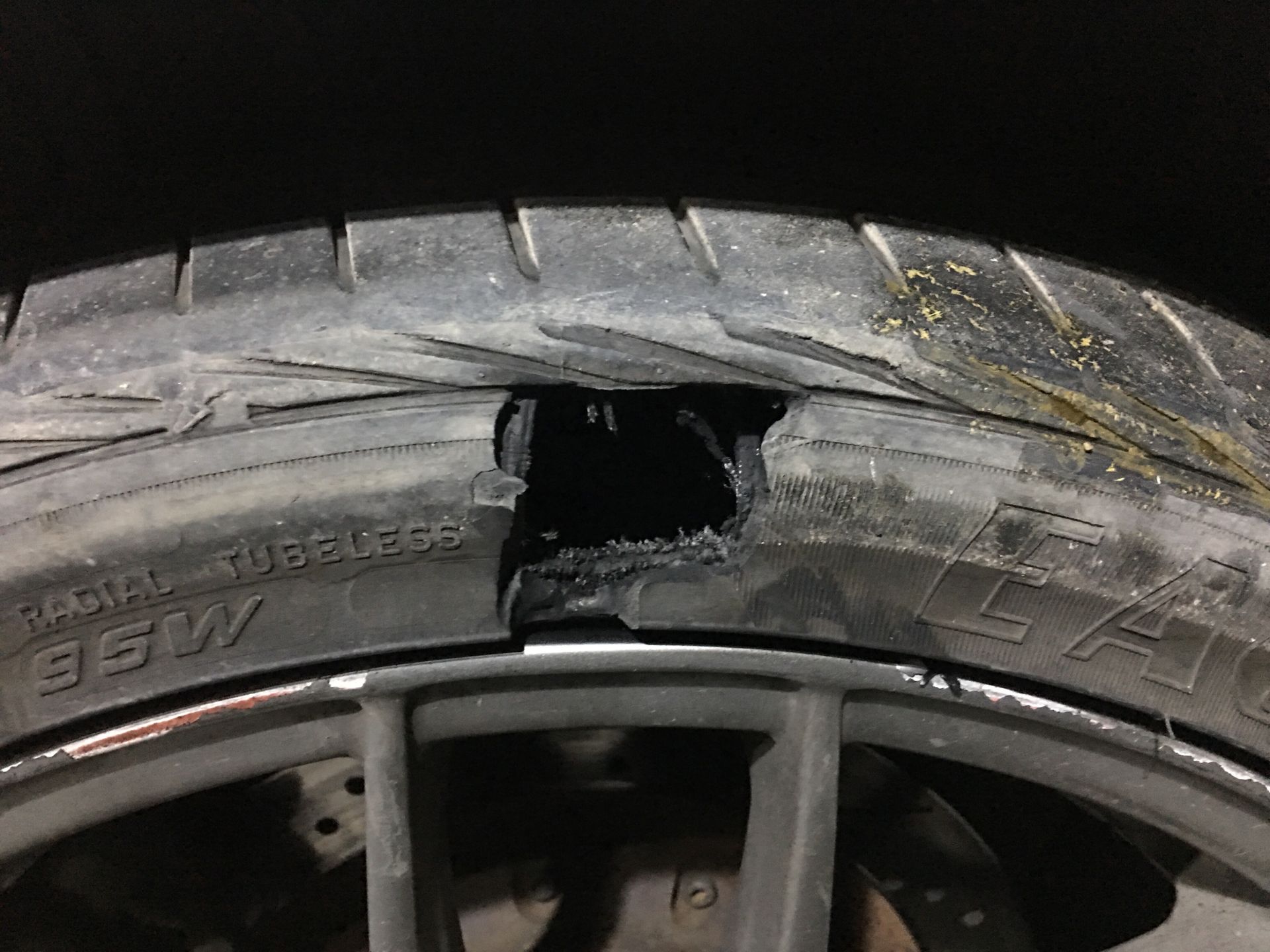
Potholes are holes in the road that form when water gets into cracks and traffic wears away the pavement. Even small potholes can cut tire sidewalls or damage the inside structure.
Florida's weather makes potholes worse. Rain fills cracks in the pavement, and when cars drive over wet spots, the road breaks apart.
Construction debris includes nails, screws, glass, and metal pieces. These sharp objects can puncture tires right away or create slow leaks that cause problems later.
New construction in Coral Springs means more chances to pick up nails or screws. Road work often leaves small metal pieces that are hard to see but can go right through your tire.
Natural debris like tree branches, rocks, and storm damage can appear suddenly. Large pieces are easy to see, but smaller hazards hide until you hit them.
Glass and metal fragments from accidents or broken bottles create sharp edges that slice through tire rubber. These pieces often collect near intersections and highway on-ramps.
Seasonal Hazard Patterns
- Summer months bring more construction projects and road repairs. Hot pavement also makes tires more likely to pick up objects that stick in the soft rubber.
- Storm season from June through November creates the most road hazards. Heavy rains wash debris into roadways, and high winds knock down tree branches.
How to Avoid Road Hazards
- Keep your distance from other cars so you have time to see and avoid debris. More space gives you more options. A good rule is staying at least 3 seconds behind the car in front of you.
- Don't swerve suddenly if you see a hazard. Slow down slowly and change lanes safely if possible.
- Drive carefully in construction zones and after storms when debris is more common.
- If you must hit a pothole, let off the brakes just before impact to reduce damage.
- Scan the road ahead for hazards while driving. Look beyond just the car in front of you to spot problems early.
3. Old and Aging Tires
Tires get weak as they age, even if they look fine. The rubber breaks down over time and becomes more likely to fail.
Why Tires Age
Tire rubber contains chemicals that break down when exposed to air, heat, and sunlight. This happens whether you drive the tire or not. Hot weather makes aging happen faster. Florida's year-round heat and strong sun can make tires age more quickly than in cooler places.
Signs Your Tires Are Too Old
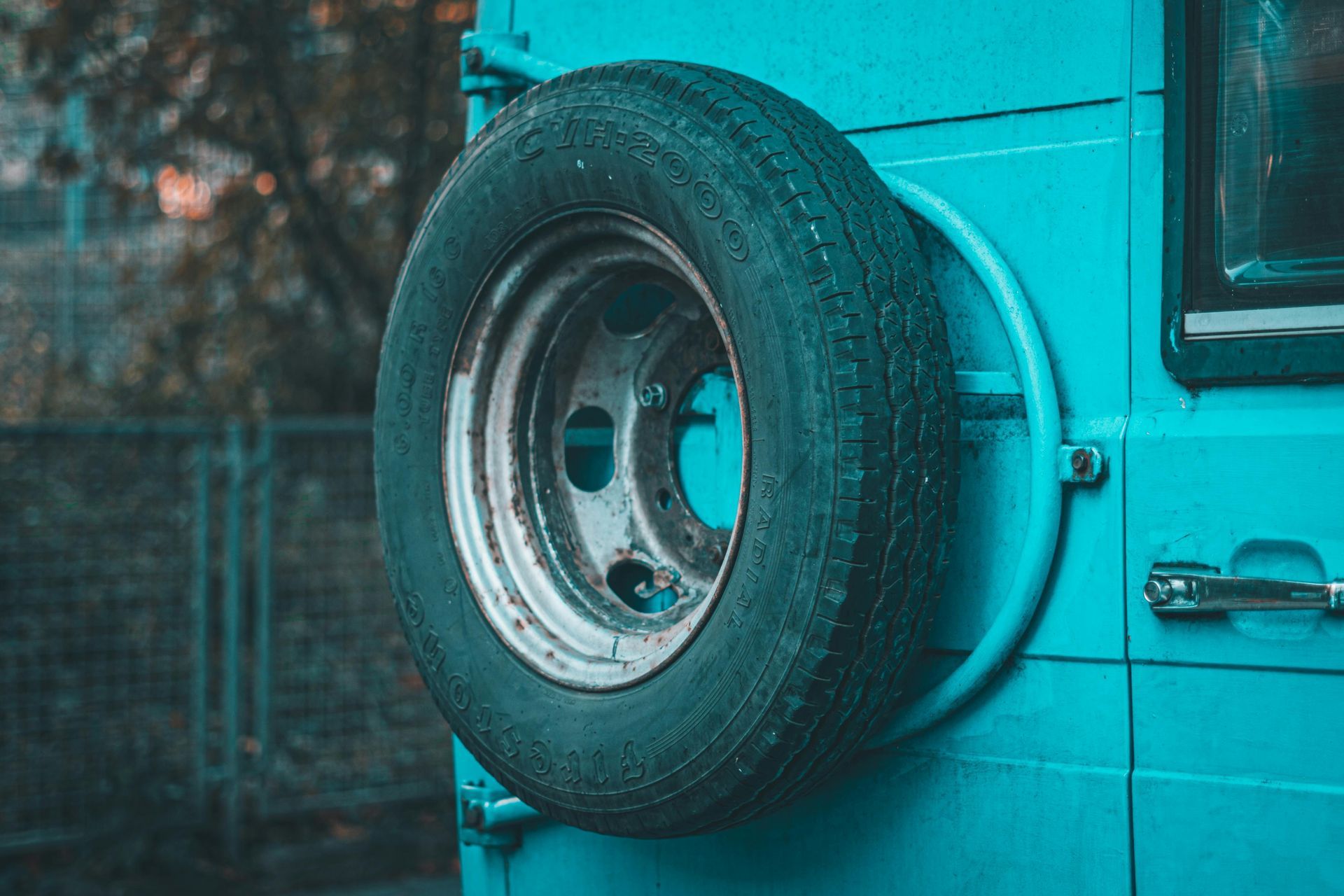
- Check the date code on your tire sidewall. The last 4 numbers show when the tire was made (week and year). Most tires should be replaced after 6-10 years.
- Look for cracks in the sidewall or tread. Even small cracks mean the tire is getting weak and could fail.
- Feel for hard rubber that doesn't bend easily. Old tires get stiff and can't grip the road properly.
- Replace old tires even if the tread looks good. Age matters more than appearance for safety.
4. Worn Tread and Bald Tires
Tires with worn tread are dangerous, especially in wet weather that's common in South Florida. Bald or nearly bald tires can cause crashes and blowouts.
How to Check Tread Depth
- Use the penny test: Put a penny upside down in the tread groove. If you can see all of Lincoln's head, you need new tires.
- Look for uneven wear that shows alignment problems, wrong pressure, or bad suspension parts.
- Check all tires, including the spare. Different tires wear at different rates.
Problems With Worn Tires
- Poor traction in rain leads to sliding and longer stopping distances. Worn tires can't push water away from the road contact.
- More heat buildup happens because worn tires flex more and can't cool as well. This makes blowouts more likely.
- Higher risk of punctures because there's less rubber to protect against sharp objects.
5. Overloading Your Vehicle
Putting too much weight in your car stresses the tires beyond their safe limits. This can cause sudden tire failure, especially at highway speeds.
Understanding Weight Limits
- Check your tire's load rating printed on the sidewall. This shows the maximum weight each tire can safely carry.
- Add up all weight including passengers, luggage, and cargo. Many people don't realize how much their stuff weighs.
- Consider trailer weight if you're towing. The trailer adds stress to your car's tires.
What Overloading Does
- Creates extra heat as tires flex more under heavy loads. This heat damages the tire structure.
- Causes faster wear in the center of the tire tread where the extra weight presses down.
- Makes handling worse and increases stopping distances, especially dangerous in emergencies.
Mobile Tire Services in Coral Springs
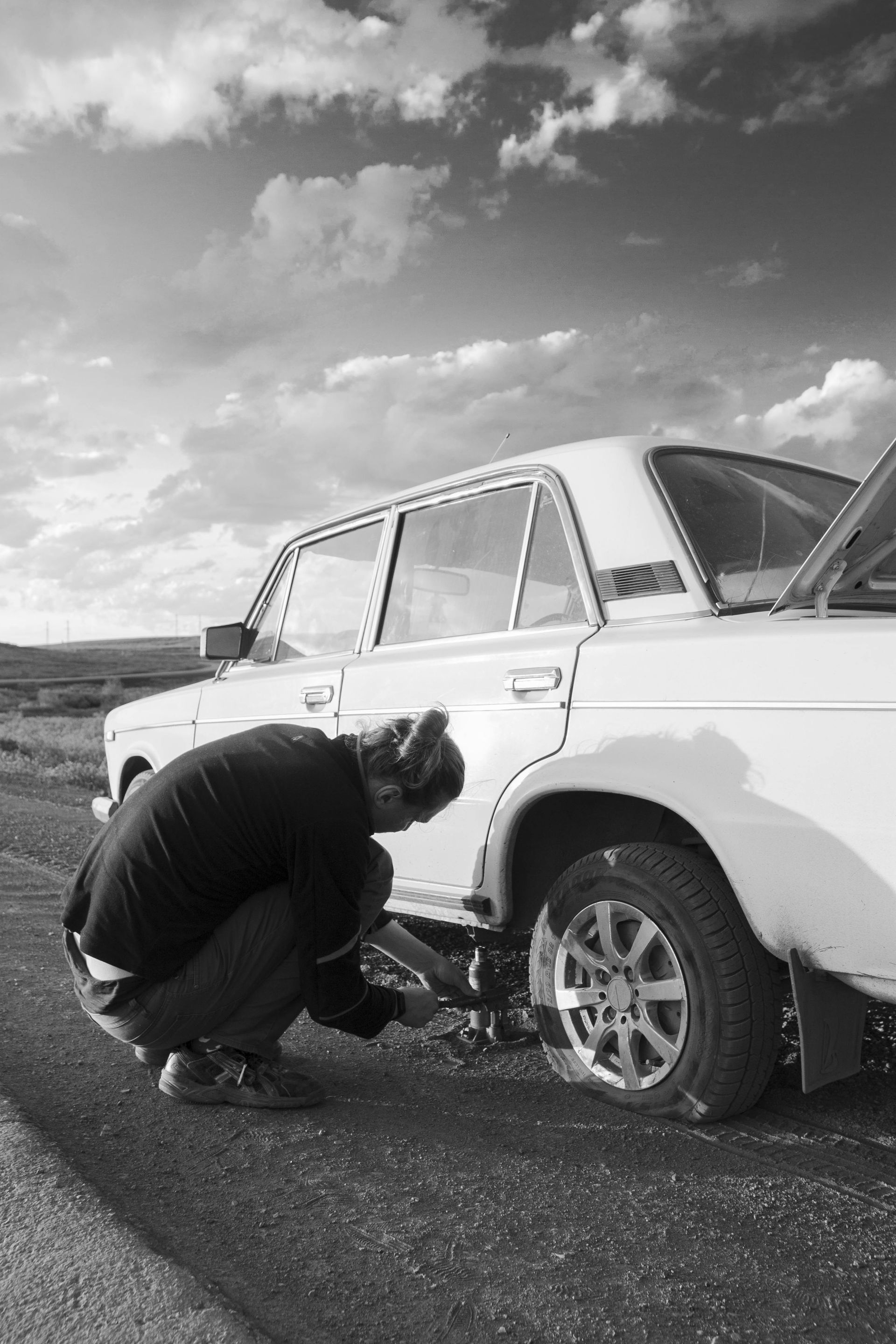
When you get a flat tire, N & K On Time Mobile Tires can come to you instead of you having to change the tire yourself or wait for a tow truck.
Emergency Help Available
- 24/7 service means help is available any time, day or night, when you have a tire emergency. Getting stuck with a flat tire at night or during bad weather can be scary and dangerous. Mobile tire services keep you safe by doing the work while you stay in your car or a safe location.
- On-site repairs let you stay safe while trained technicians fix or replace your tire where you're stuck.
- Whether you're at home, work, or on the side of I-95, mobile technicians bring everything needed to fix your tire problem.
- Professional equipment ensures the job is done right with proper tools and safety procedures.
- Fast response times get you back on the road quickly without long waits for tow trucks.
Regular Maintenance Services
- Tire inspections help find problems before they cause blowouts or flats. Regular checks by professionals can spot signs of aging, damage, or wear that you might miss.
- Pressure checks keep your tires at the right inflation for safety and longer life.
- New tire installation with proper mounting and balancing helps new tires last longer.
Why Choose Mobile Service
- Convenience means no waiting at tire shops or rearranging your schedule for repairs. Mobile service comes to your home, office, or wherever you're stuck. You can keep working while the tire work gets done.
- Safety keeps you out of dangerous roadside situations where accidents happen.
- Cost savings often make mobile service cheaper than towing plus shop fees.
- Towing can cost $75-150 just to get your car to a shop, plus the repair costs. Mobile service eliminates towing fees.
Simple Tire Maintenance Tips
Regular maintenance tire care prevents most problems and keeps you safe on the road.
| What to Do | How Often | Why It Helps |
|---|---|---|
| Check pressure | Monthly | Prevents heat damage |
| Look at tires | Weekly | Finds problems early |
| Check tread depth | Monthly | Ensures good traction |
| Get professional check | Every 6 months | Catches hidden issues |
| Rotate tires | Every 5,000-8,000 miles | Makes tires wear evenly |
Good Driving Habits
- Drive smoothly without fast starts, hard stops, or sharp turns that stress your tires. Smooth driving helps your tires last longer and saves gas too. Plan ahead so you don't have to brake or turn suddenly.
- Go slower on hot days when pavement temperatures make tires work harder. Florida's hot summer days can make road surfaces reach 140 degrees or more. This extra heat gets into your tires and makes them more likely to fail.
- Let tires cool down after long drives before checking pressure or doing maintenance.
Protecting Your Tires
- Park in shade when possible to protect from sun damage and heat. Florida's strong sun can crack tire sidewalls over time. Covered parking or shady spots help tires last longer.
- Avoid curbs and other obstacles that can damage sidewalls.
- Remove objects like rocks or nails from tire treads before they cause bigger problems. Check your tires when you get gas or wash your car. Pull out any stones or debris stuck in the tread grooves.
Seasonal Maintenance Tasks
- Before hurricane season (June), check all tires, including your spare.
- After major storms, inspect tires for debris damage or sidewall cuts.
- Before long trips, check pressure when tires are cold and look for signs of damage.
Tools Every Driver Needs
- A good tire pressure gauge costs less than $20 and can save you from expensive repairs.
- A portable air compressor that plugs into your car's power outlet lets you add air anywhere.
Frequently Asked Questions
What are the early warning signs that my tire might blow out?
Look for cracks in the sidewall, bulges, uneven wear, vibrations while driving, or frequent air pressure loss. These signs mean the tire structure is getting weak.
How often should I check my tire pressure?
Check tire pressure at least once per month when tires are cold. Also, check before long trips or when carrying heavy loads.
Can a tire repair shop fix all punctures?
Small holes in the tread area can often be repaired with plugs and patches. Sidewall damage or large holes usually mean you need a new tire.
What should I do right after hitting a big pothole?
Pull over safely and check your tires for visible damage, bulges, or cuts. Check the air pressure and listen for hissing sounds that mean air is leaking.
How do I know when my tires are too old to use safely?
Check the 4-digit date code on the tire sidewall and replace tires over 6-10 years old. Also, replace tires with sidewall cracks or hard rubber that won't bend.
Final Thoughts
Learning about tire blowout causes and doing regular maintenance keeps you safer while driving in Coral Springs. Check your tire pressure monthly, watch for road hazards, replace old tires, and don't overload your vehicle to prevent most tire problems. When you do need help, mobile tire services can fix your problem quickly without the cost and hassle of towing.
Need tire help in Coral Springs? Call
N & K On Time Mobile Tires at (954) 270-5974 for 24/7 emergency service that comes to you.
Reference:
https://weatherspark.com/y/18681/Average-Weather-in-Coral-Springs-Florida-United-States-Year-Round