How Long Can You Drive on a Spare Tire?
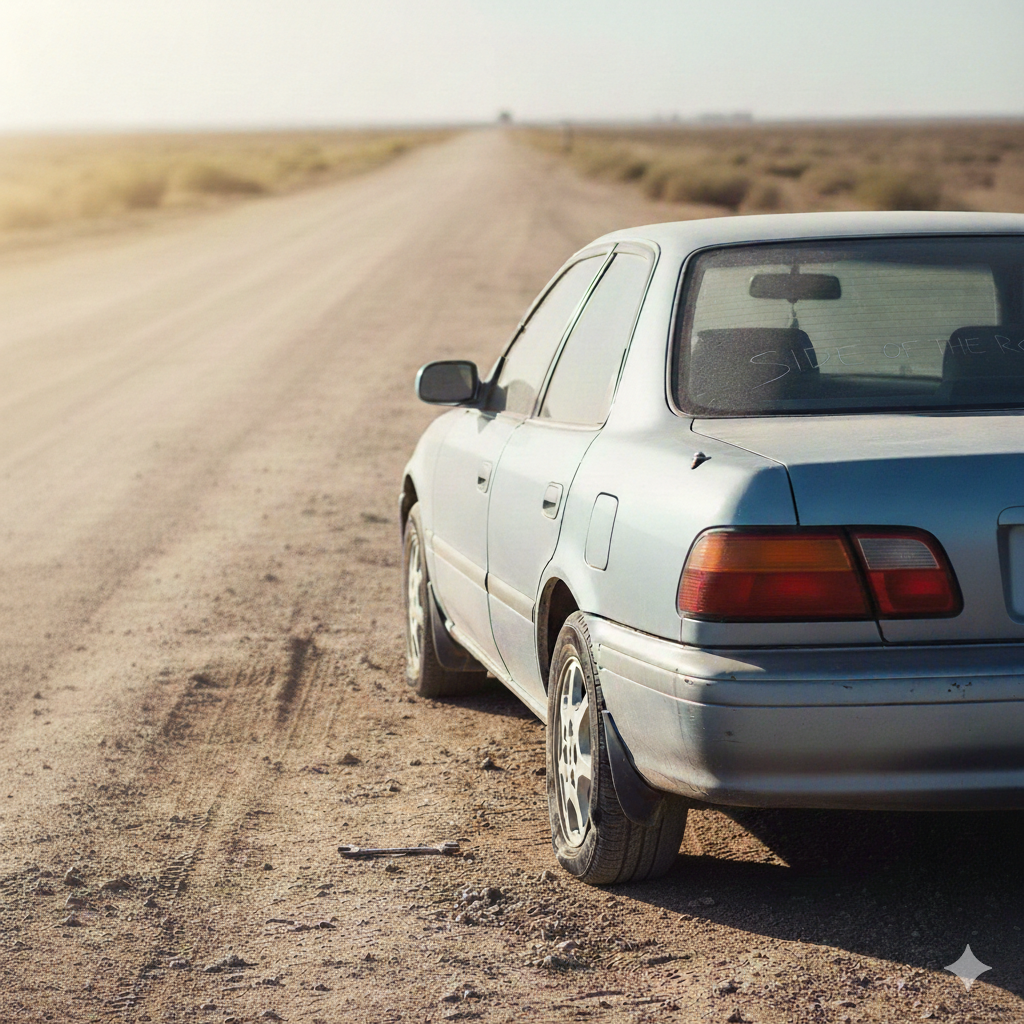
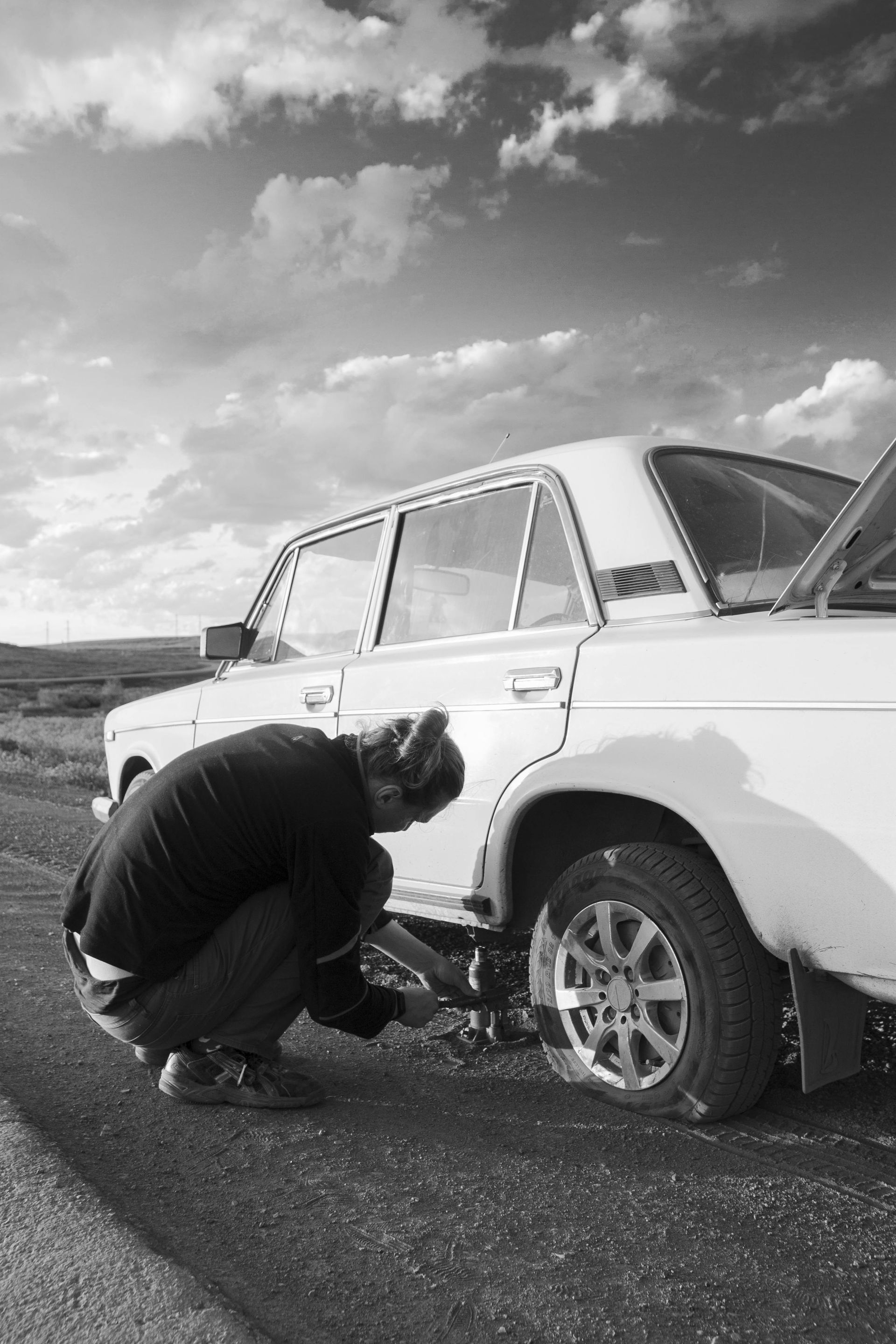
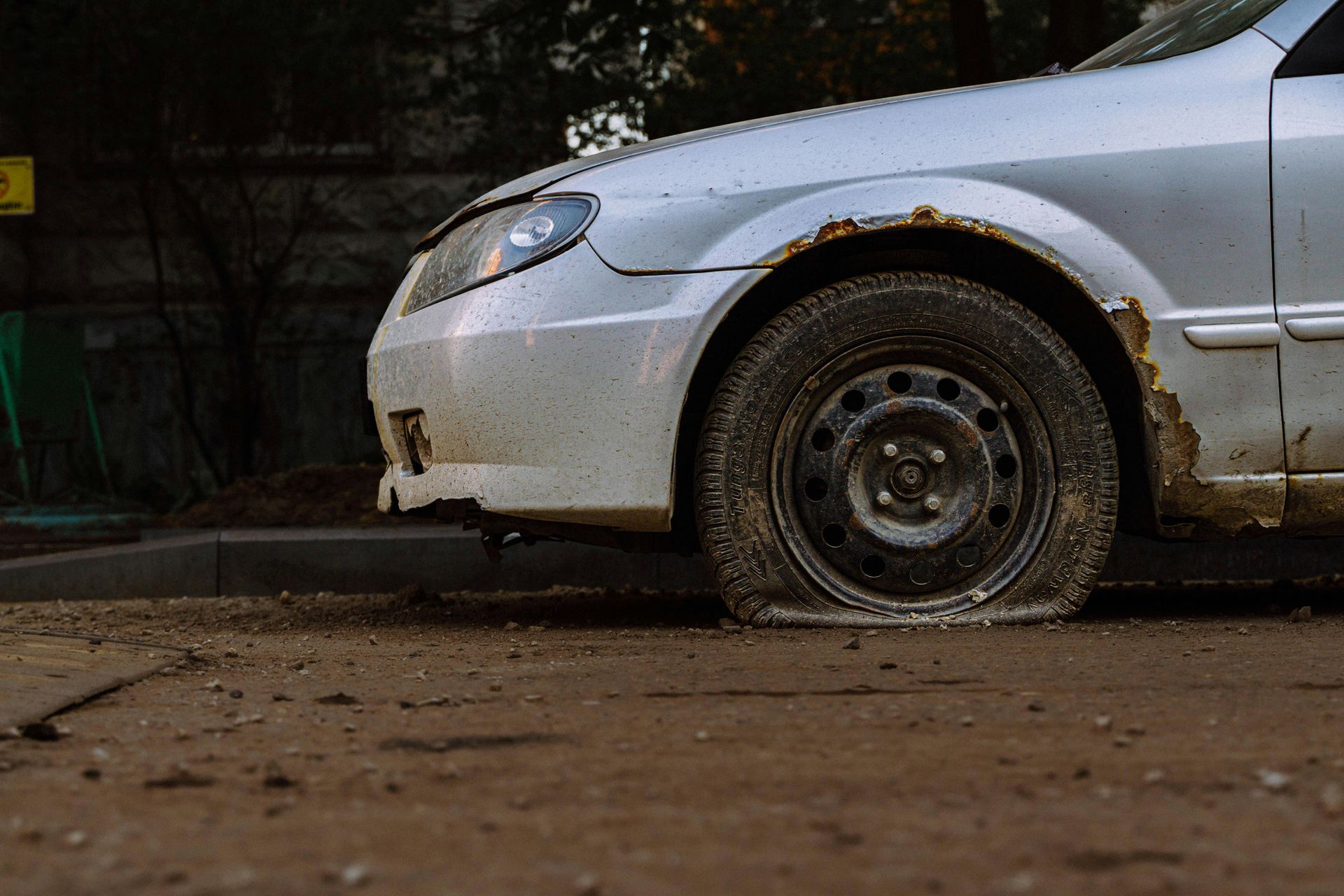
Getting a flat tire happens to drivers everywhere. A spare tire helps you get back on the road, but it comes with limits. Most car makers say you should not drive more than 50 miles on a compact spare tire. They also say keep your speed under 50 mph. The exact distance you can drive depends on what type of spare tire you have. When you need professional help, mobile tire repair services provide convenient roadside assistance, and local tire service areas ensure you can get help no matter where your flat tire happens.
Key Takeaways
- Distance limits: Compact spare tires (donuts) should only be driven 50-70 miles maximum
- Speed limits: Most temporary spares have a top speed of 50 mph
- Drive carefully: Spare tires change how your car handles, so avoid quick turns and sudden stops
- Check air pressure: Keep your spare tire properly inflated so it works when you need it
- Get professional help: Mobile tire services like N&K On Time Mobile Tires can come to you for tire replacement or repair
- Replace quickly: Get your spare tire replaced with a regular tire as soon as possible
Types of Spare Tires
Compact Spare Tires (Donuts)
Most cars today come with compact spare tires, also called donut spares. These tires are smaller and lighter than your regular tires. Car makers design them to save space in your trunk, but they have strict limits:
- Distance limit: 50 to 70 miles maximum
- Speed limit: 50 mph maximum
- Less grip: They don't grab the road as well as regular tires
- Different handling: Your car will feel different when you drive on one
Full-Size Spare Tires
A full-size spare tire looks just like your regular tires. It gives you the same grip and performance, but takes up more room in your car. You can drive normal speeds and distances on a full-size spare, but you should still replace it soon to keep your car running its best.
Full-size spares give you:
- Normal driving: You can drive regular speeds and distances
- Better handling: Works like your regular tires
- More safety: More reliable than compact spares
- Longer use: Can be used longer than compact spares
Run-Flat Tires
Some cars have run-flat tires instead of spare tires. These special tires can keep working for about 50 miles after they get punctured. You can drive up to 50 mph on them. They give you time to get to a tire shop for repair or replacement.
Safety Tips for Driving on Spare Tires
Check Before You Drive
Before you start driving on any spare tire, check these things:
- Air pressure: Check the pressure with a gauge, as spare tires often need a different pressure than regular tires
- Look for damage: Check for cracks, cuts, or worn spots
- Check the tread: Make sure there's enough tread for grip
- Make sure it fits: The spare should fit your car properly and not rub against anything
How to Drive Safely
When you're driving on a spare tire, follow these rules:
- Keep it slow: Stay at 50 mph or under for compact spares
- Stick to good roads: Avoid rough roads, potholes, and construction zones when possible
- Drive smoothly: No quick starts, hard stops, or sharp turns
- Leave more space: Give yourself extra room to stop since spare tires don't grip as well
- Avoid bad weather: Try not to drive in rain or snow if possible
Your car might pull to one side or feel different when turning. This is normal with spare tires, but it means you need to pay extra attention while driving. Some cars will even turn on warning lights when you put on a spare tire because it's different from your other tires.
Understanding Spare Tire Sizes and Ratings
Reading Your Spare Tire
Every spare tire has information printed on its side that tells you important details:
- Size numbers: These match your car's tire size requirements
- Speed rating: Usually shows "50 mph" for compact spares
- Pressure rating: Shows how much air the tire needs
- Date code: Shows when the tire was made
Temporary vs. Emergency Use
Car makers design spare tires for different situations:
Temporary spares are meant to:
- Get you to the nearest tire shop
- Work for 50-70 miles maximum
- Keep you moving at low speeds
- Take up less space in your car
Emergency spares serve a similar purpose but might have slightly different limits based on the manufacturer. Always check your owner's manual or the tire itself for the exact numbers.
Tire Care Tips
Regular Tire Care Schedule
Taking care of your tires means checking them often and getting regular service. What does tire maintenance mean? It includes checking air pressure, looking at tread wear, and getting your tires rotated. Good tire care saves you money and keeps you safer.
A good tire maintenance schedule includes:
- Monthly pressure checks: Use a tire gauge to check air pressure every month
- Tire rotation: Move your tires to different spots on your car every 5,000-7,000 miles
- Tread checks: Look at your tire tread every month
- Visual checks: Look for cuts, cracks, or bulges in your tires
- Alignment checks: Have your wheel alignment checked once a year
Important Maintenance Tire Practices
Good maintenance tire care helps your tires last longer and keeps you safe. Here are the most important things to remember:
Keep the Right Air Pressure
- Proper air pressure helps your tires work their best and saves gas
- Too little air makes tires wear out fast and can cause them to blow out
- Too much air makes tires more likely to get damaged by potholes
- Check pressure when tires are cold, before you drive anywhere
Watch Your Tread Depth
- Use a penny to test tread depth - put it upside down in the tire groove
- If you can see all of Lincoln's head, you need new tires
- When tread gets down to 2/32 of an inch, it's time for tire shopping
- Worn tread makes it hard to stop in wet weather
Get Professional Service
- Have a tire shop balance your wheels every 15,000 miles
- Get your wheel alignment checked once a year
- Have your tires rotated every 5,000-7,000 miles
- Get your brakes checked regularly since they work with your tires
Common Spare Tire Problems
Issues You Might Face
Even when you take good care of your spare tire, problems can happen:
Low air pressure is the most common problem:
- Spare tires lose air over time, just like regular tires
- Cold weather makes tires lose air faster
- Check your spare tire pressure every few months
Age-related damage affects old spares:
- Rubber gets hard and cracks over time
- UV light from the sun can damage tires
- Heat and cold cycles weaken the tire structure
Storage problems can ruin a spare tire:
- Storing the tire in hot places like under a truck bed
- Letting heavy things sit on top of the spare
- Not protecting the tire from sharp objects
How to Avoid Problems
Keep your spare tire in good shape by:
- Checking it regularly: Look at it every few months
- Keeping it clean: Wipe off dirt and chemicals
- Storing it right: Keep it in a cool, dry place when possible
- Protecting it: Don't let sharp tools or heavy items touch it
| What to Check | How Often | Who Does It |
|---|---|---|
| Air Pressure | Every Month | You |
| Look at Tires | Every Month | You |
| Tire Rotation | Every 5,000-7,000 miles | Tire Shop |
| Wheel Balancing | Every 15,000 miles | Tire Shop |
| Wheel Alignment | Every Year | Tire Shop |
What NOT to Do
Understanding which of the following is not considered proper tire maintenance helps you avoid mistakes:
- Skipping pressure checks: Not checking air pressure regularly
- Ignoring tire rotation: Skipping your scheduled tire rotations
- Wrong air pressure: Using too much or too little air in your tires
- Ignoring wear patterns: Not fixing uneven wear that shows alignment problems
- Bad storage: Keeping spare tires where they can get damaged
When You Need Professional Help
Mobile Tire Services
When you have tire problems or need regular service, mobile tire companies can come to you. Services like N & K On Time Mobile Tires offer:
- Emergency help: They come to you when you have a flat tire
- Tire pressure service: Professional checks of all your tires, including your spare
- New tire installation: They put new tires on your car at your location
- Save time: No need to drive to a tire shop
Signs You Need a Tire Expert
Call for professional help when you notice:
- Shaking or vibration: Your car shakes when you drive, especially at higher speeds
- Car pulls to one side: Your car wants to go left or right when you're driving straight
- Uneven wear: Your tires wear down in strange patterns
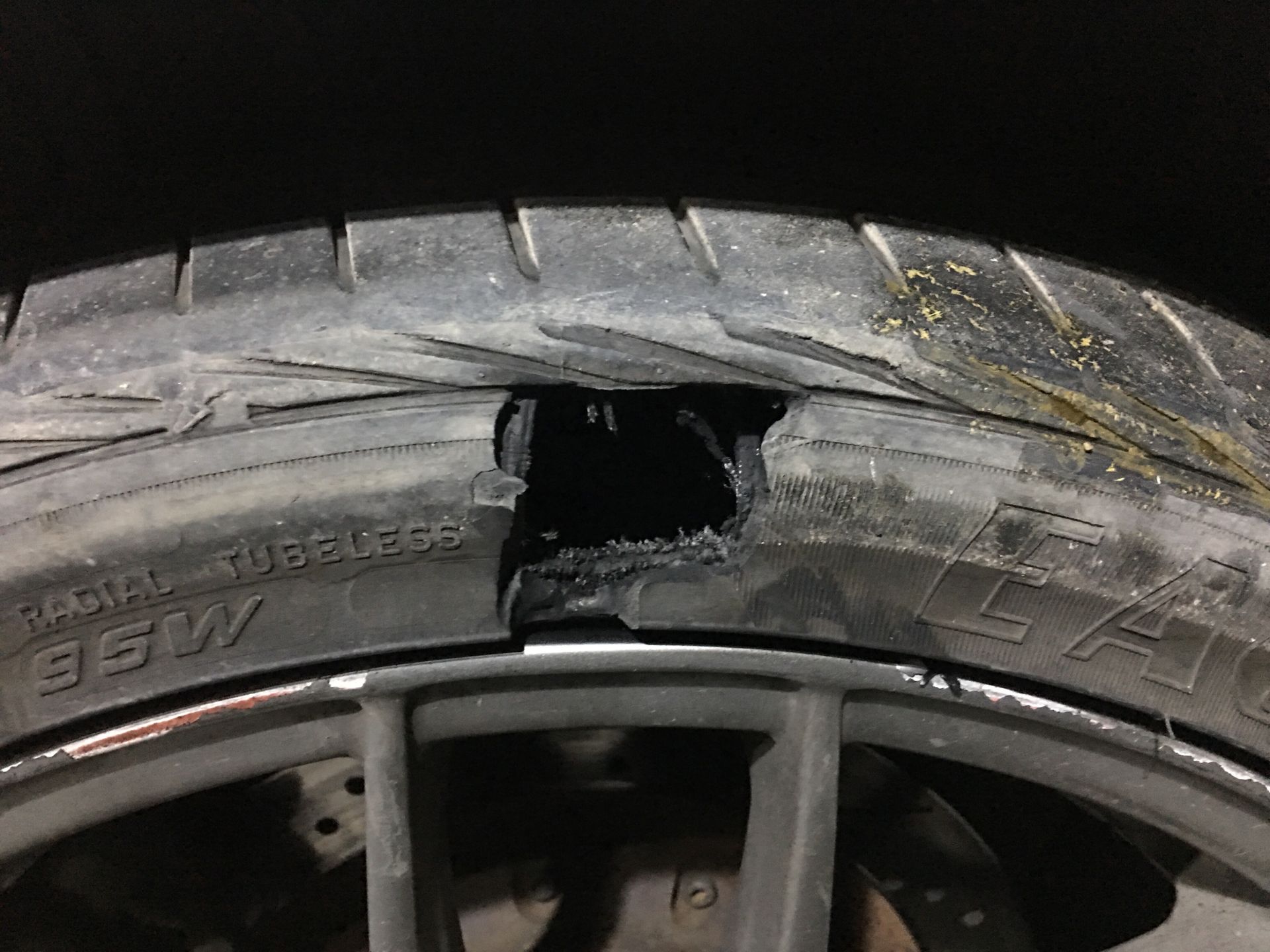
- Sidewall damage: Bulges or bumps on the side of your tire
Taking Care of Your Spare Tire
Check Your Spare Tire Regularly
Your spare tire needs attention even when you're not using it:
- Keep the right air pressure: Check your spare tire pressure every few months
- Store it properly: Keep it in a cool, dry place away from heat and sunlight
- Replace old spares: Most spare tires should be replaced every 6-10 years, even if you never use them
- Include it in rotation: If you have a full-size spare, your tire shop can rotate it with your other tires
When to Replace Your Spare
You need a new spare tire when:
- You've driven on it: If you used a compact spare for more than 50 miles total, replace it
- It's getting old: Replace it after the time limit your car maker suggests
- You see damage: Cracks, cuts, or bulges mean you need a new one
Frequently Asked Questions
How fast can I drive on a spare tire?
You should drive no faster than 50 mph on a compact spare tire. Full-size spares can handle normal speeds but should still be replaced soon.
Can I drive on the highway with a spare tire?
You can drive on highways with a spare tire, but it's not the best idea. Compact spares don't handle well at highway speeds, so be extra careful if you must use the highway.
How often should I check my spare tire?
Check your spare tire every few months or before long trips. Make sure it has the right air pressure and no damage.
What happens if I drive too long on a spare tire?
Driving too long on a spare tire can cause it to blow out or damage your car's suspension. It can also make your other tires wear unevenly.
Are run-flat tires the same as spare tires?
Run-flat tires are different from spare tires. They can keep working for about 50 miles after getting a hole, but they're made to get you to a tire shop, not for long-term driving.
Final Thoughts
Spare tires help you get back on the road after a flat tire, but they have limits. Most compact spares should only be driven 50-70 miles at speeds under 50 mph. Taking good care of your regular tires with proper maintenance helps prevent flats and keeps you safer on the road. When you do need tire help, mobile services like N & K On Time Mobile Tires can come to you and get you back on the road quickly and safely.
Don't let a flat tire ruin your day. Contact N & K On Time Mobile Tires for fast, professional service that comes to you. Get back on the road safely with expert tire help at your location.
Reference:
https://www.utires.com/articles/how-fast-can-you-drive-on-a-donut-tips-for-safe-driving/?srsltid=AfmBOorbeAwgjb3Tyv3Ub6LwZfS15-y7t9v0m34T2CgWrDQdg0AP3IIA