Best Roadside Safety Tips for Lauderhill & Boca Raton Drivers
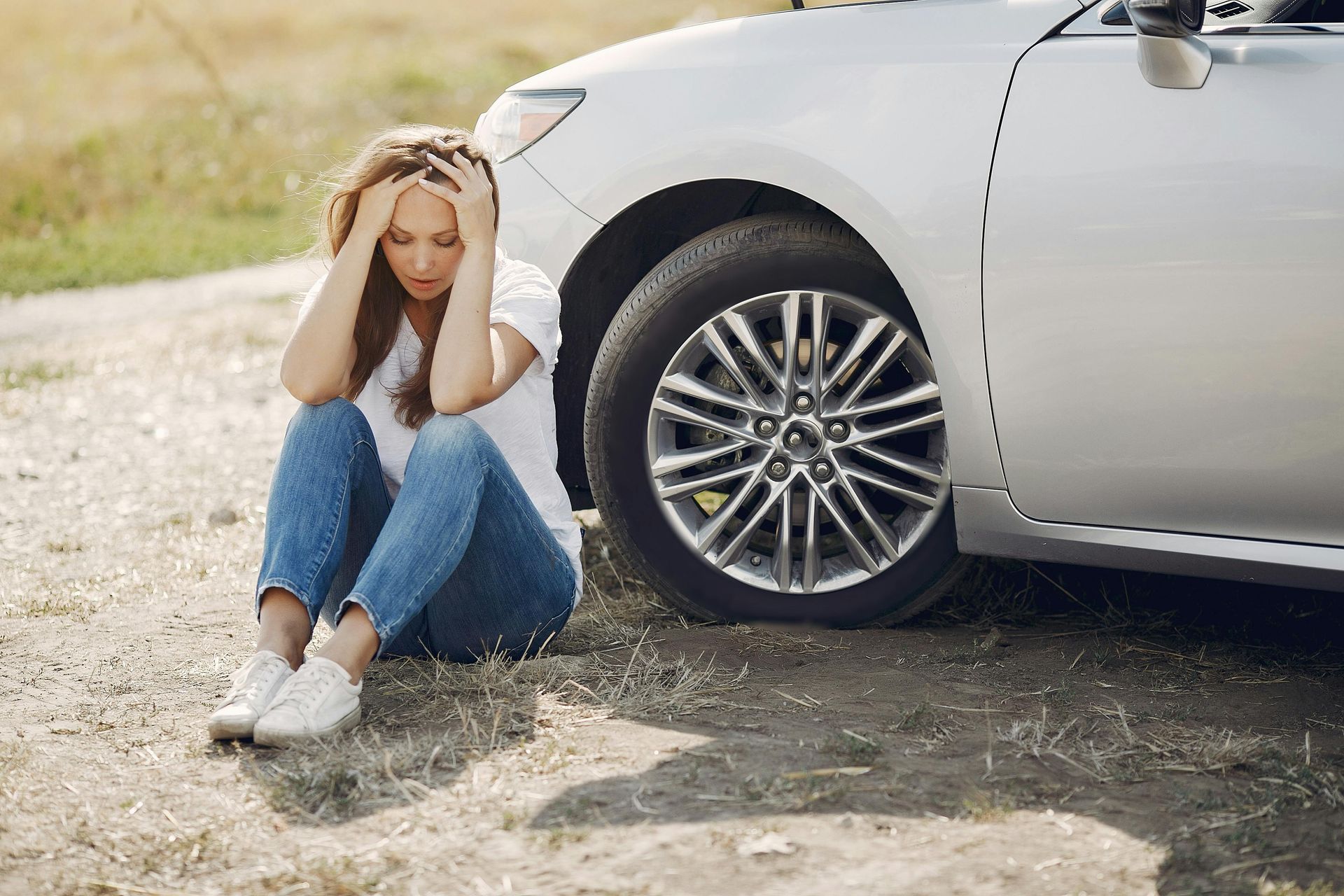
Driving on South Florida's busy roads means being ready for unexpected problems. From tire blowouts on I-95 near Atlantic Boulevard to car breakdowns on local streets like University Drive in Lauderhill, smart drivers know how to stay safe during emergencies. Learning proper safety steps, keeping the right equipment in your car, and knowing when to call for roadside tire help in Boca Raton can protect you and your family when trouble happens.
Key Takeaways
- Pull as far right as possible and turn on hazard lights when your car has problems
- Keep an emergency kit with basic supplies in your car at all times
- Know how to handle tire blowouts without losing control of your vehicle
- Stay inside your vehicle when possible and make yourself visible to other drivers
- Understand when to fix things yourself versus calling emergency tire replacement Boca Raton services
- Have phone numbers for reliable help ready before you need them
What to Do Right Away During Car Emergencies
Your first response when something goes wrong with your car decides how safe you'll be. This becomes especially critical on area highways like I-95, I-595, and the Florida Turnpike, where traffic moves fast and drivers may not have much time to react.
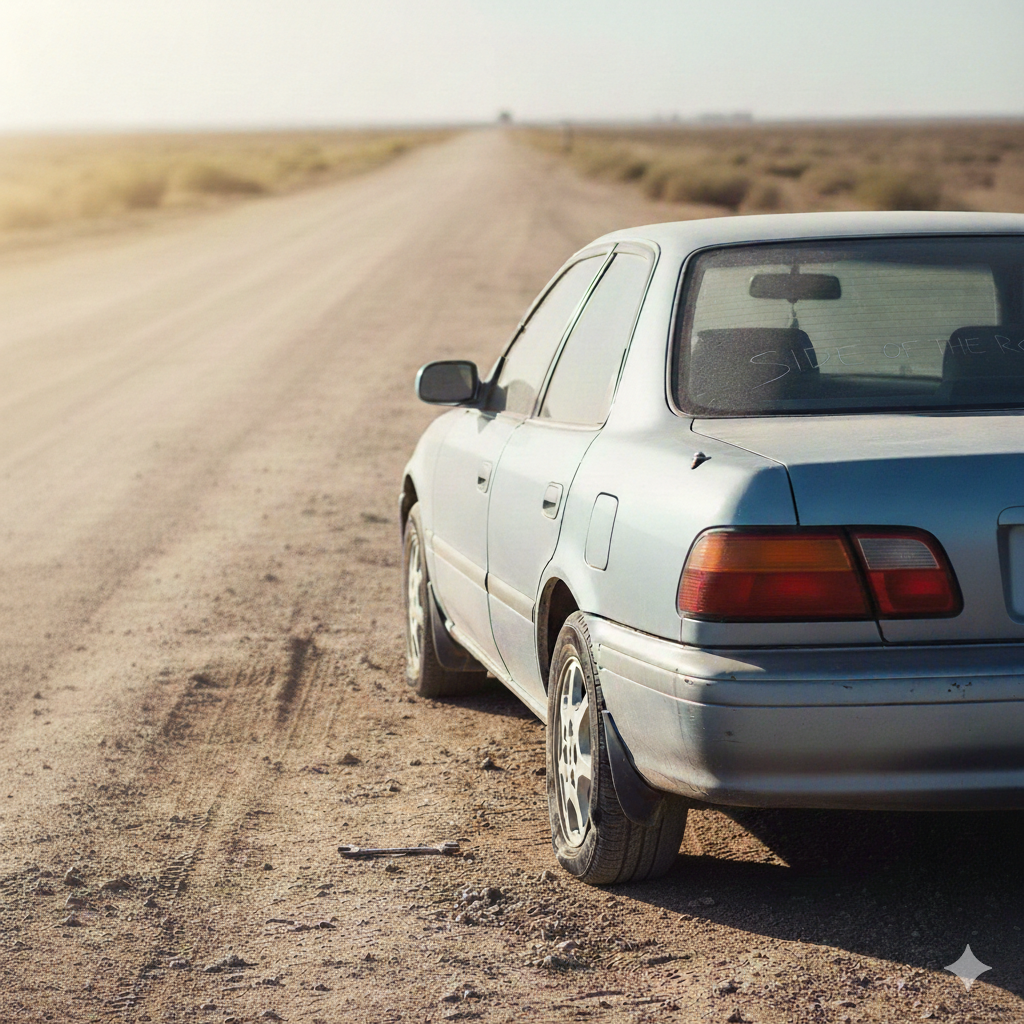
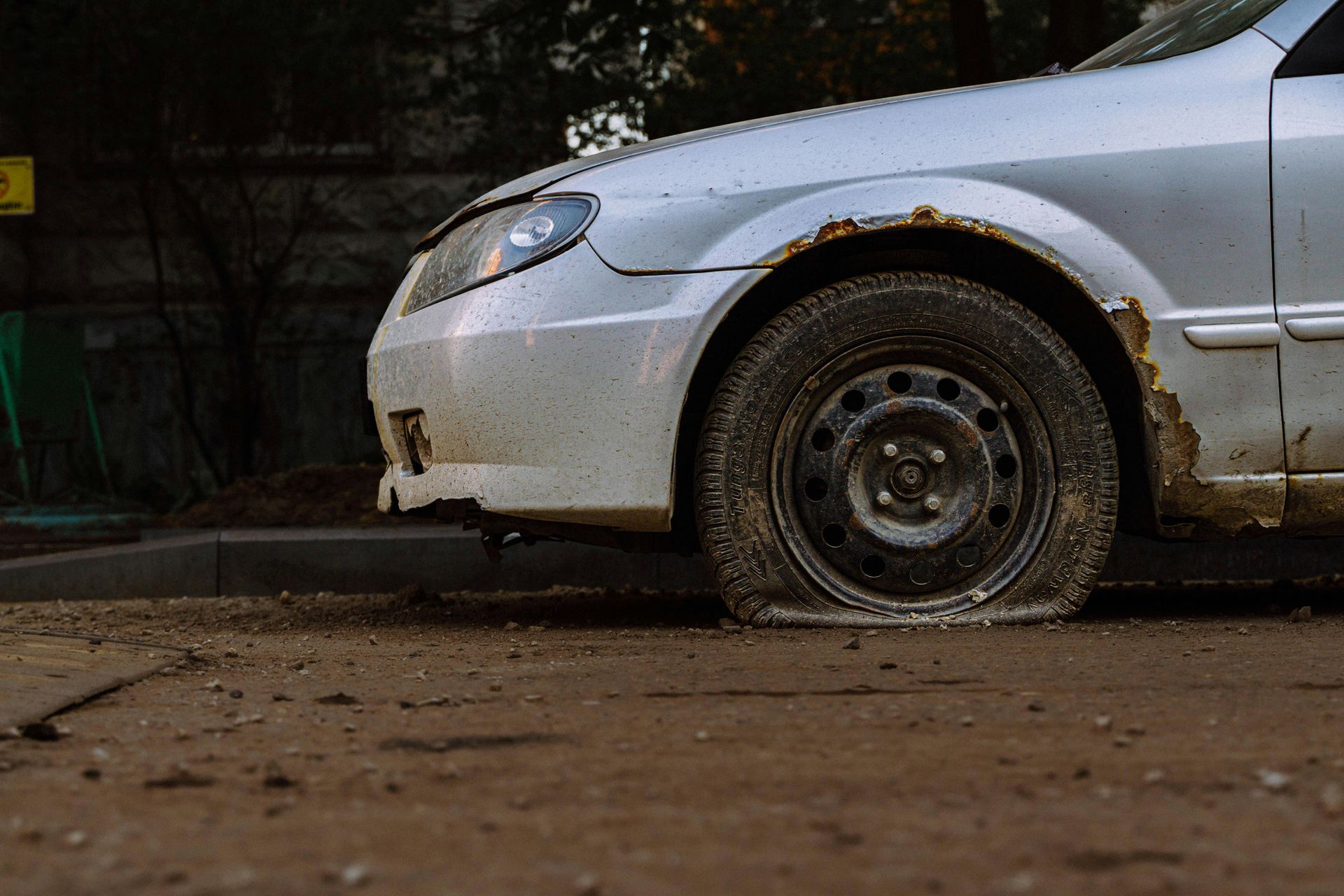
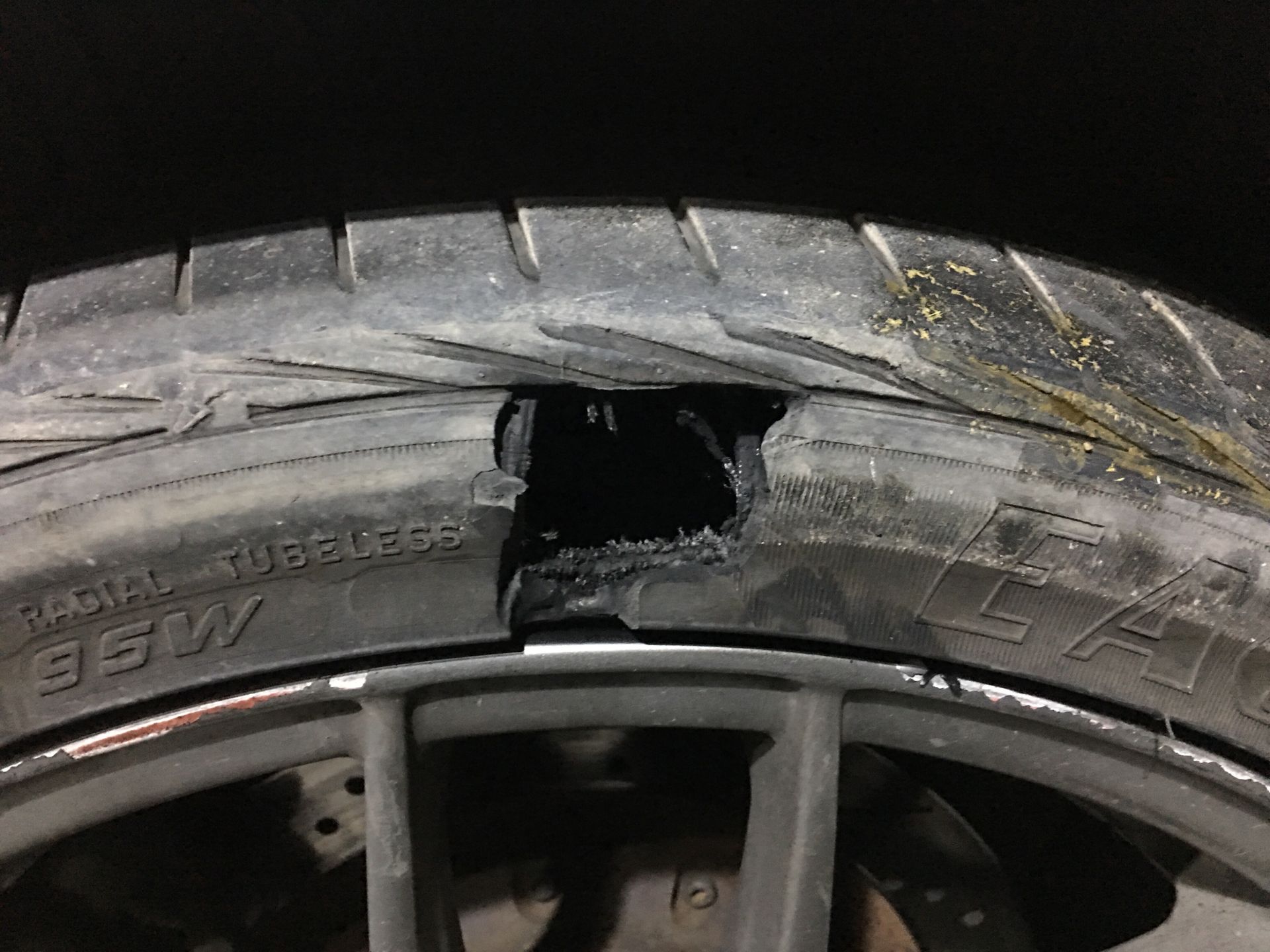
If you experience a tire blowout, don't slam on the brakes or turn the steering wheel hard. Your natural reaction might be to brake immediately, but this can cause you to lose control completely. Instead, keep a tight grip on the wheel with both hands and let the car slow down on its own before carefully moving to the side of the road.
When a tire fails, your car suddenly loses traction on one side, causing it to pull strongly in that direction. This becomes more dangerous on busy stretches like I-95 between Glades Road and Palmetto Park Road, where traffic regularly exceeds 70 mph.
Once you stop safely, turn on your hazard lights right away. This warns other drivers that you're there and helps prevent more accidents. Get your car as far from traffic as you can, especially on highway shoulders. I-95 travels through some of the busiest miles in the area between Fort Lauderdale and Boca Raton.
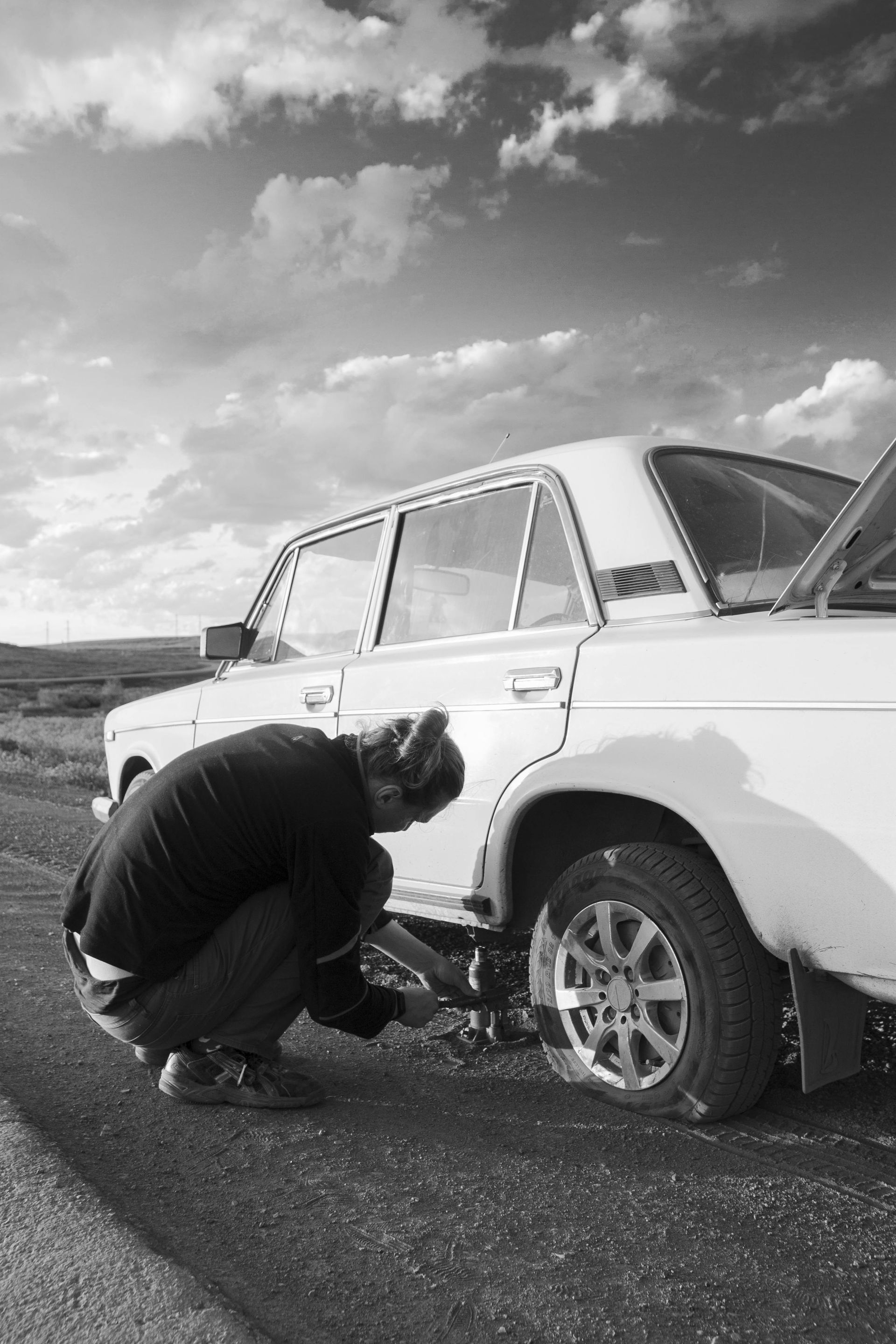
Only get out of your car if you really need to, and only on the side away from traffic. If you must get out, do it fast and move away from both your car and the road. Many roadside accidents happen when people get hit while standing outside their vehicles, making this one of the most dangerous parts of any roadside emergency.
Emergency Supplies Every Driver Should Have
Being ready for car emergencies starts with keeping a good emergency kit in your vehicle. This matters even more in South Florida's climate, where afternoon thunderstorms can develop quickly and intense heat puts extra stress on vehicles.
Basic safety items you need:
- Reflective triangles or LED flares - Put these 100-200 feet behind your car to warn approaching drivers. LED versions work better in frequent rain
- Flashlight with extra batteries - Must-have for afternoon storms when visibility drops suddenly
- First aid kit - Include bandages, antiseptic, pain relievers, and personal medicines you take
- Jumper cables or portable jump starter - Pick heavy-duty ones that work with your car's engine
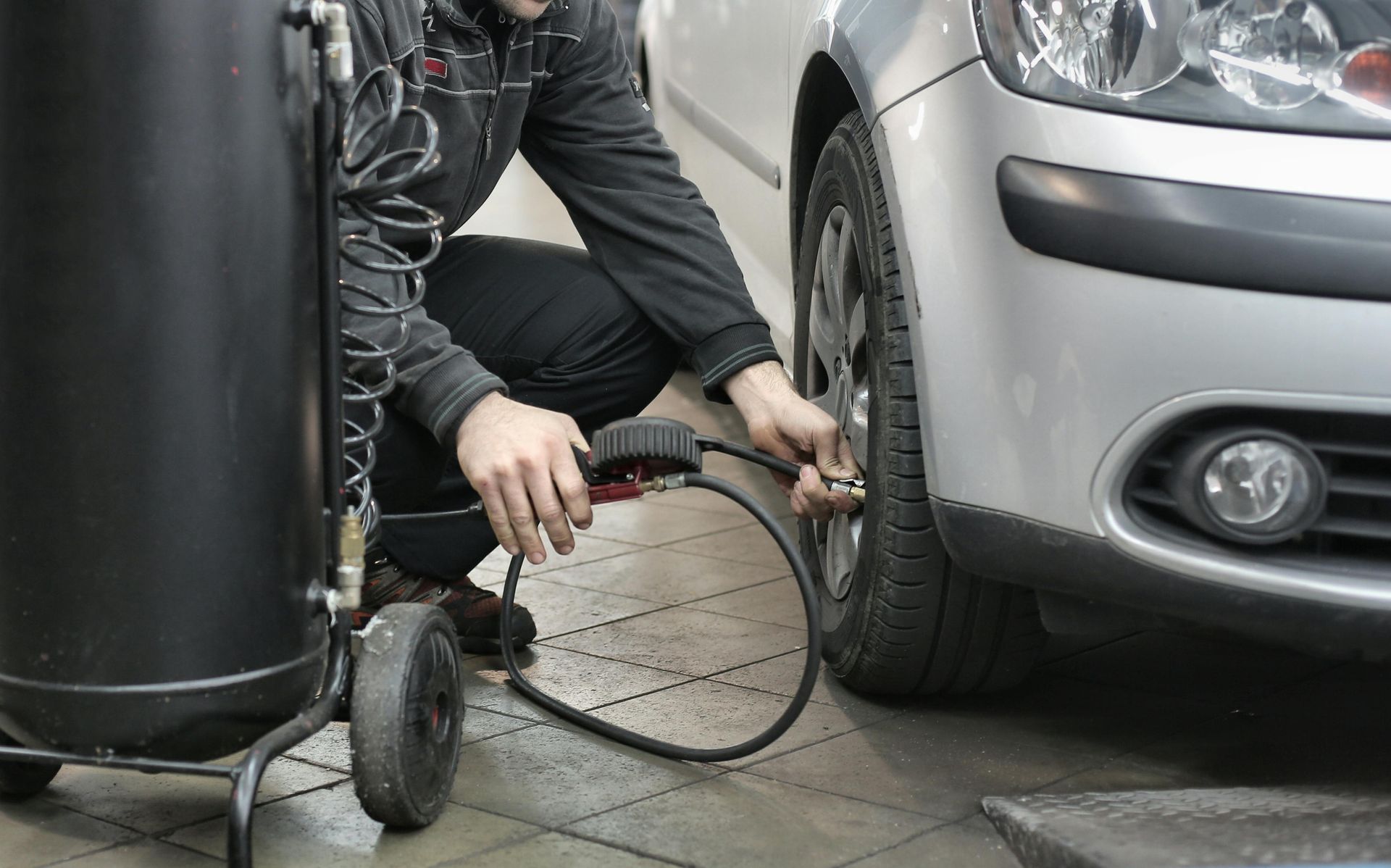
- Tire pressure gauge and small air compressor - Help fix minor tire pressure problems before they become blowouts
Tools and repair items:
- Basic tool set - Screwdrivers, pliers, adjustable wrench for minor repairs
- Duct tape and zip ties - Temporary fixes for many problems
- Work gloves - Protect your hands and improve grip when handling tools
- Multi-tool - Compact solution for various tasks
- Emergency tire sealant - Can temporarily seal small punctures
Comfort and communication items for South Florida:
- Extra water (at least one gallon per person) - Critical in heat that regularly exceeds 90 degrees
- Snacks that won't spoil - Energy bars, crackers, nuts
- Phone charger (car and portable) - Your lifeline to help services
- Emergency poncho or umbrella - For sudden afternoon thunderstorms common in the area
- Cash in small bills - For emergency services when credit cards don't work
- Sunscreen and wide-brimmed hat - Protection while waiting outside your vehicle
Store everything in a waterproof container that's easy to access. Check your kit every six months, especially before summer storm season and winter tourist season when traffic increases.
How to Handle Tire Blowouts Safely
Tire blowouts cause about 11,000 crashes each year and are some of the most dangerous roadside emergencies. This problem happens more often on South Florida's hot pavement and high-speed highways like I-95 and the Florida Turnpike that serve Boca Raton and Lauderhill.
- What should you do if you have a tire blowout:
- Keep control - Hold the steering wheel firmly with both hands
- Don't brake hard - Let the car slow down naturally first
- Stay straight - Don't overcorrect or jerk the wheel
- Move carefully - Gently steer toward the shoulder once you slow down
- Turn on hazards - Alert other drivers as soon as you can safely take a hand off the wheel
When a blowout happens, your car will suddenly pull toward the damaged tire and may shake violently. You'll hear a loud bang followed by a flapping sound. Driver inexperience is a factor in successful vehicle handling during tire-related accidents.
On local highways, know your location markers. Key reference points include mile markers, major exits like Glades Road (Exit 44), Palmetto Park Road (Exit 45), or Yamato Road (Exit 46) on I-95. This helps emergency responders find you quickly.
After you stop, consider factors specific to the area. Heavy traffic during morning and evening rush hours (7-9 AM and 4-7 PM) makes repairs more dangerous. Afternoon thunderstorms that develop between 2-4 PM can create additional hazards with sudden heavy rain and lightning.
If conditions seem unsafe or you're not sure about fixing it yourself, calling for emergency tire replacement services in Boca Raton is often the smartest choice.
When to Call for Professional Help
Many drivers try to fix problems they can't handle safely, which puts them in danger. Knowing when to call mobile tire roadside assistance in Coral Springs can prevent dangerous situations and make sure repairs get done right.
Call for professional help when:
- You're on busy highways like I-95, I-595, or the Florida Turnpike during peak hours
- Thunderstorms with wind gusts of 50-55 mph are approaching or present
- You don't have the right tools or don't know how to do the repair safely
- Your spare tire is also flat or damaged
- It's during afternoon storm season (May through October)
- You're unfamiliar with the area or don't speak English well
- Multiple systems in your car are having problems
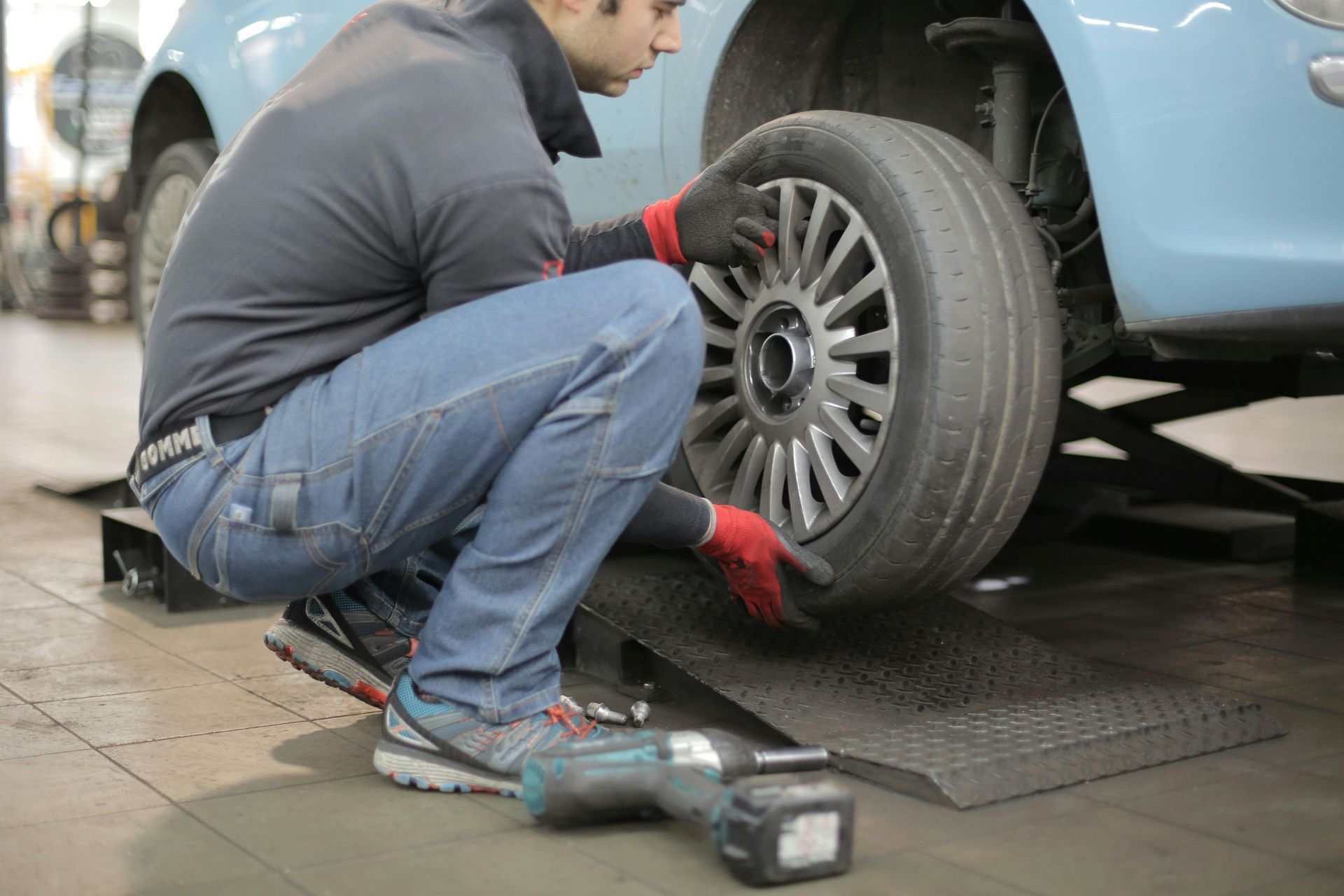
Companies like N & K On Time Mobile Tires offer mobile tire roadside assistance in Coral Springs that come to your location. This means you don't have to try dangerous repairs yourself or worry about getting to a shop during heavy traffic or bad weather.
Local Traffic and Weather Considerations
Drivers in South Florida encounter unique challenges. During peak hours, there can be significant congestion, with weekday morning and evening commutes being the busiest times.
Peak traffic times to avoid repairs:
- Morning rush: 7:00-9:30 AM on weekdays
- Evening rush: 4:00-7:00 PM on weekdays
- Friday afternoons: 3:00-8:00 PM
- Sunday evenings: 5:00-8:00 PM (returning from weekend trips)
Weather patterns that affect road safety:
- Afternoon thunderstorms typically develop between 2-4 PM during the summer months
- Sudden heavy rain can reduce visibility to near zero
- Lightning strikes can occur up to 10 miles from storms
- Hurricane season (June-November) brings additional risks
Tourist season impacts:
- December through April brings heavier traffic from seasonal residents
- Unfamiliar drivers may drive more slowly or make sudden lane changes
- Beach traffic on weekends increases volume on east-west roads
Staying Safe While You Wait for Help
The time between calling for help and when help arrives can be risky. How you position yourself and your car during this waiting time greatly affects your safety. Response times in the area typically range between 30 and 60 minutes, depending on traffic conditions.
Safety steps while waiting:
- Stay inside your locked car with windows slightly open for air circulation
- Keep hazard lights on continuously
- If you have warning triangles, place them 50, 100, and 150 feet behind your car
- Monitor weather conditions using your phone for approaching storms
- Be ready to move quickly if conditions change
- Know your exact location using mile markers or cross streets
Use specific landmarks when calling for help. Reference points like "I-95 southbound near Glades Road exit" or "Florida Turnpike northbound near Sample Road" help dispatchers locate you faster than GPS coordinates alone.
Your car protects you from traffic and weather while keeping you visible to emergency responders. If sudden storms develop, stay inside your vehicle rather than seeking shelter elsewhere.
Preventing Emergencies Through Car Maintenance
While being prepared for emergencies matters, preventing them through proper car care offers the best protection. Over 400 fatalities, 10,000 injuries, and 78,000 crashes occur annually due to flat tires or blowouts, many of which could be prevented with proper maintenance.
Tire care in South Florida's climate:
- Check tire pressure monthly, especially during temperature changes
- Underinflated tires generate excess heat and are more prone to blowouts
- Hot pavement temperatures can reach 140 °F in summer
- Look for signs of UV damage from intense Florida sun
- Replace tires showing uneven wear patterns
Other critical maintenance:
- Check coolant levels frequently due to year-round heat stress
- Keep air conditioning system maintained for emergency comfort
- Monitor battery condition, as heat shortens battery life
- Keep gas tank above quarter-full for emergency flexibility
Regular maintenance becomes more important due to the area's driving conditions. Stop-and-go traffic on highways, combined with heat and humidity, puts extra stress on all vehicle systems.
| Maintenance Task | How Often | Local Priority |
|---|---|---|
| Check tire pressure | Weekly in summer | High heat affects pressure |
| Check coolant system | Monthly | Year-round heat stress |
| Battery testing | Every 6 months | Heat reduces battery life |
| AC system service | Annually | Essential for emergency comfort |
Frequently Asked Questions
What should you do if you have a tire blowout on I-95 near Boca Raton?
Hold the steering wheel tight and don't brake hard; let the car slow down naturally. Try to reach the next exit or safe pull-off area, rather than stop on the narrow shoulder if possible.
How long should I wait before calling for roadside tire help in Boca Raton?
Call immediately if you're on a major highway, the weather is threatening, or you lack proper tools. Local response times average 30-60 minutes, depending on traffic conditions.
What emergency supplies are most important for South Florida drivers?
Water (at least one gallon per person), rain protection, phone charger, warning triangles, and basic tools. The combination of heat and sudden storms makes hydration and weather protection critical.
When is it safer to stay in my car versus getting out during a breakdown?
Always stay inside during thunderstorms or on busy highways like I-95. Only exit on the traffic-safe side and move well away from both your vehicle and the roadway.
How can I find reliable emergency tire replacement services in Boca Raton?
Research local companies before emergencies happen. Look for services with proper licensing, insurance, and good reviews. Keep contact information for companies serving both Broward and Palm Beach Counties.
Final Thoughts
Roadside safety for Lauderhill and Boca Raton drivers requires understanding both general safety principles and local conditions. Heavy traffic, sudden weather changes, and diverse driving populations create unique challenges in our area. By keeping proper emergency equipment, learning location-specific response techniques, and having reliable contacts for roadside tire help, you can handle unexpected situations safely and confidently. Remember that your personal safety always comes first over time, convenience, or cost when dealing with roadside emergencies on South Florida's challenging roads.
Need reliable roadside tire help in Boca Raton or Lauderhill? N & K On Time Mobile Tires provides fast, professional emergency tire replacement and mobile tire services throughout South Florida. Save our number now:
(954) 270-5974 - because when you're stuck on the side of I-95, every minute counts.
Reference:
https://crashstats.nhtsa.dot.gov/Api/Public/ViewPublication/811617