What to Do When You Get a Flat Tire in South Florida
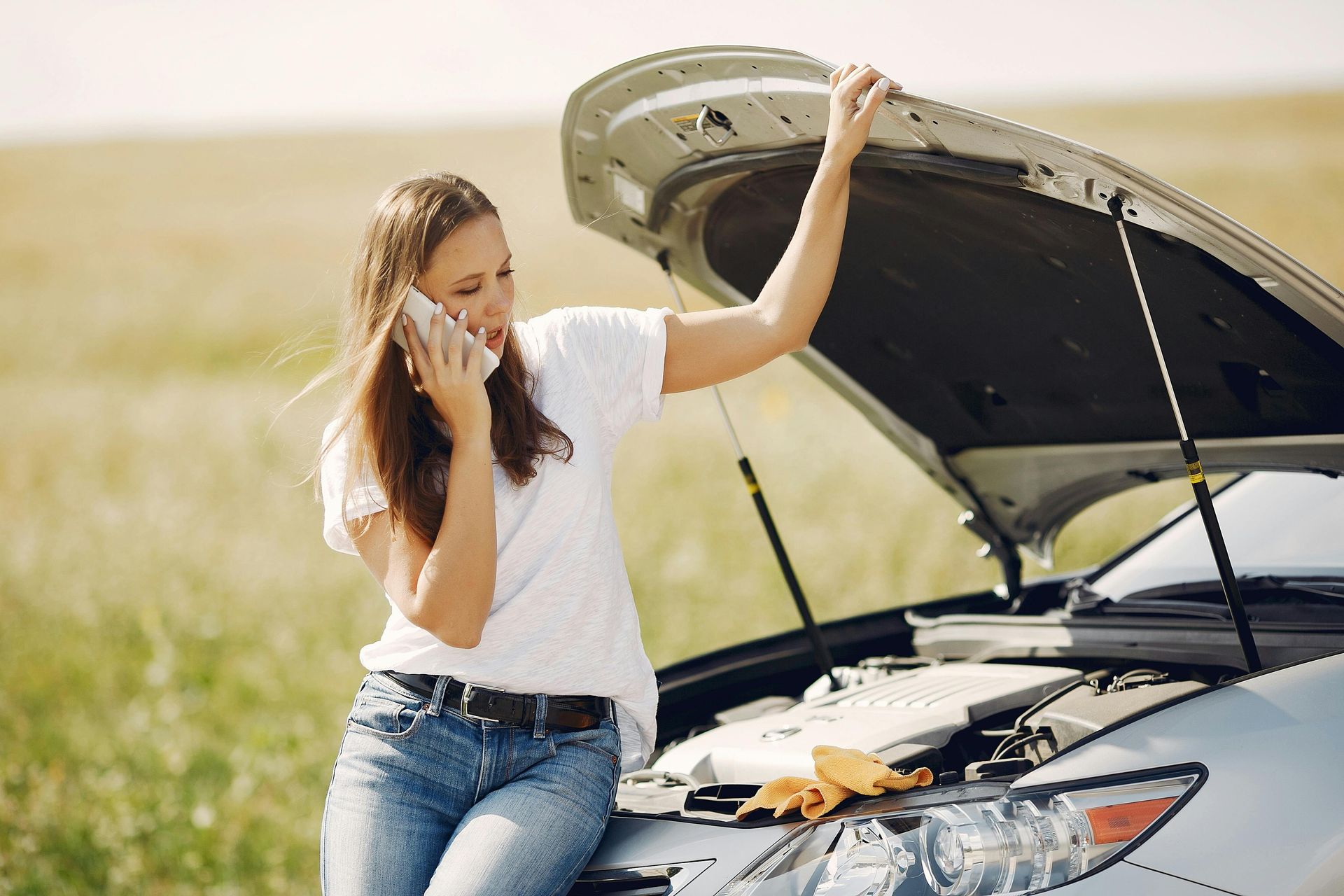
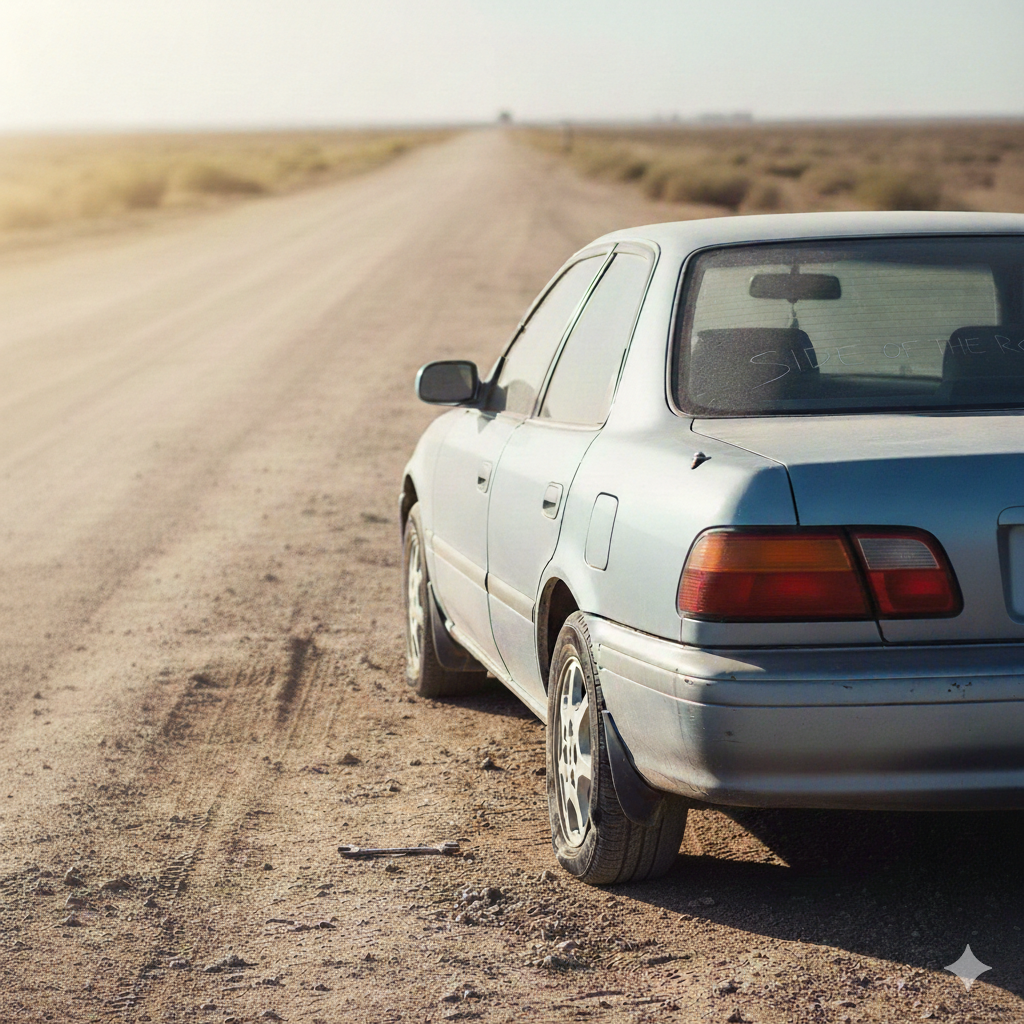
Getting a flat tire in South Florida is one of those unexpected moments that can turn an easy drive into a stressful situation, especially with how quickly traffic moves on major highways and how intense the heat can be. Whether you are dealing with a small puncture or a sudden blowout tire, having a clear plan helps you protect yourself, your passengers, and your vehicle. By knowing the right steps, understanding the unique challenges of driving in this region, and knowing the right tire professionals to contact, you can respond calmly and safely until help arrives.
Key Takeaways
- Pull over cautiously and avoid driving far on a damaged tire.
- A tire blowout requires steady control, not sudden braking.
- Keep a simple roadside kit, including a jack, pressure gauge, and gloves.
- 24/7 mobile tire repair South Florida assistance is available when a roadside fix is not safe.
- Tire blowout causes often relate to underinflation, debris, or worn tread.
- Simple tire maintenance tips can reduce the risk of future roadside issues.
Understanding Flat Tires in South Florida
South Florida drivers encounter challenges unique to its roads. The combination of heat, humidity, heavy rainfall, and constant construction work creates conditions where tires wear faster, and road hazards appear more frequently. Even newer tires can fall victim to nails, screws, or potholes. For residents who drive daily between Miami, Broward, and Palm Beach, it’s important to understand how and why flat tires happen.
Climate and Road Conditions Affect Tire Health
The intense heat is one of the biggest contributors to tire wear in this region. In warm weather, tire pressure fluctuates significantly, and this can cause faster air loss or even weaken the tire structure over time. Drivers who park outdoors or travel long distances during high heat periods often see more frequent pressure changes.
Humidity and rain also play a role. South Florida is known for sudden storms that leave water pooling on major roads. Driving at high speed through standing water places extra strain on worn tread and can cause tires to lose traction, making them more susceptible to damage. After storms, debris such as palm branches, roofing nails, and construction scraps often scatter across roads.
Types of Flat Tire Issues You May Encounter
Flat tires can happen in several ways, and being able to identify what type of issue you have helps you decide your next steps.
Slow Leak
Slow leaks often come from:
- Nails or screws
- Bead leaks
- Faulty valve stems
- Small cracks in the tread
You may notice your tire losing a few PSI each day or your vehicle pulling slightly to one side.
Rapid Air Loss
This happens when the puncture is more severe. You may feel a sudden thump or hear a loud hissing sound. Rapid air loss makes handling more difficult and requires immediate attention.
Sudden Tire Blowout
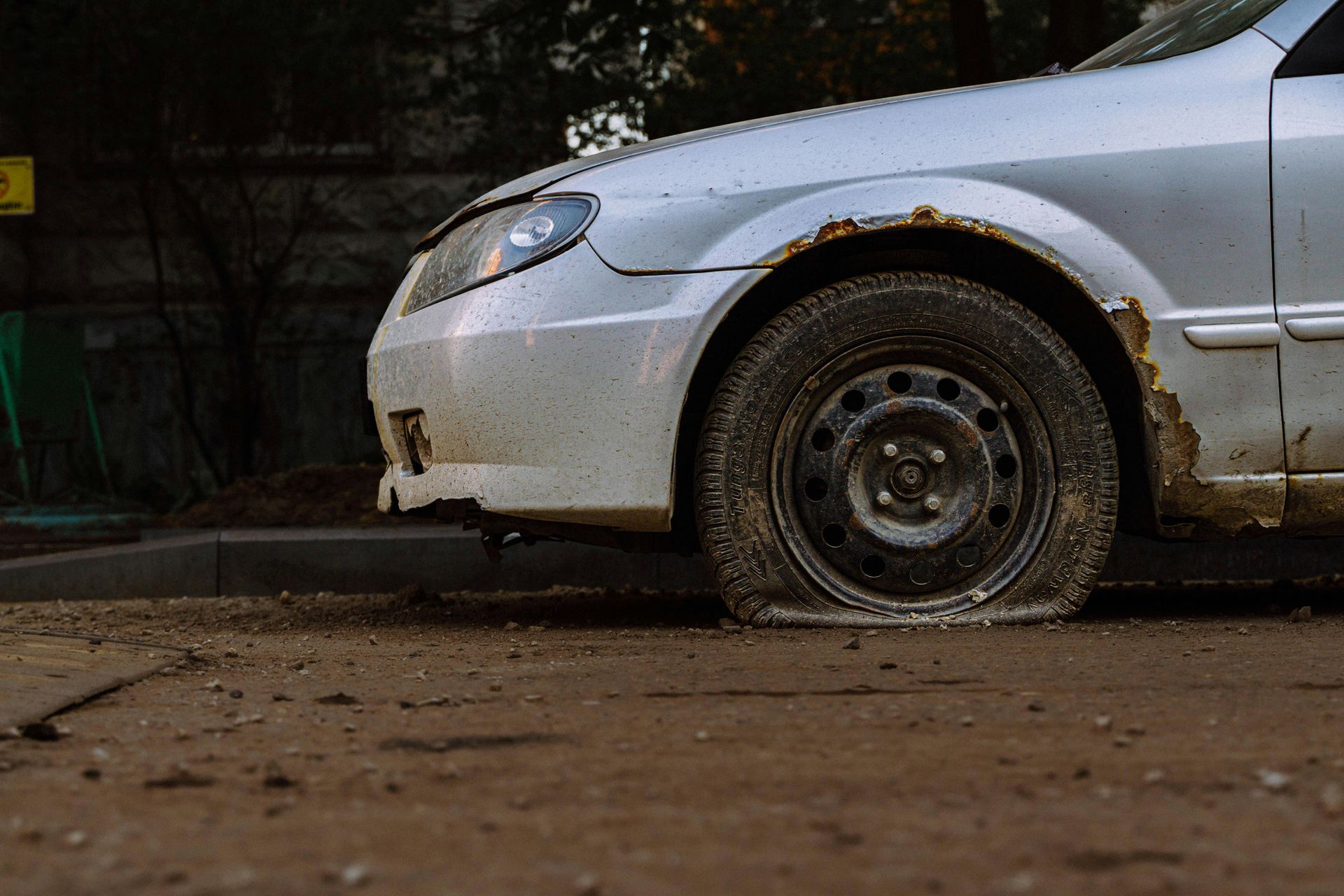
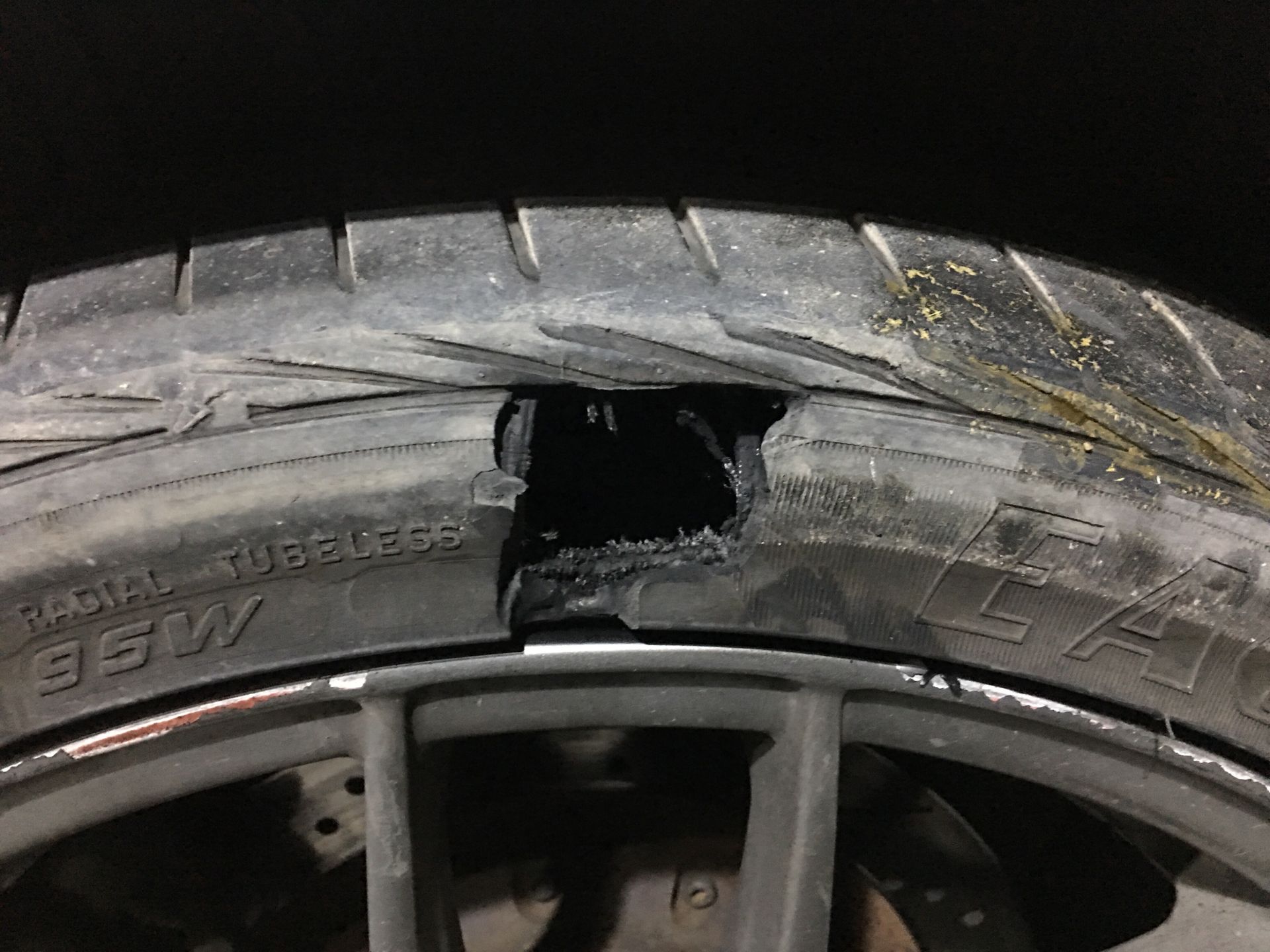
A blowout tire is the most dramatic scenario. If you experience a tire blowout at speed, the tire may shred instantly, causing the vehicle to shake or swerve. This experience is frightening, but staying calm is essential.
What Causes Tire Blowout Events?
Driving through South Florida exposes your tires to several factors that increase the likelihood of a blowout. Understanding tire blowout causes helps you identify risks before they become emergencies.
Common Tire Blowout Causes
- Underinflation
Low pressure makes it harder for the tire to hold its shape, causing heat buildup that weakens the inner structure. - Overloading the Vehicle
Between beach trips, moving days, and family outings, vehicles often carry more weight than drivers realize. - Old or Worn Tires
Heat speeds up rubber aging. Even tires with decent tread can be unsafe if they are too old. - Road Debris
Construction zones and busy highways scatter sharp objects across lanes. - High Speed and Heat Combination
Long highway drives cause friction, and friction causes heat. Together, these factors increase blowout risk.
Knowing what causes tire blowout problems can help you avoid unsafe situations, especially during long summer drives or holiday travel.
Immediate Steps to Take When You Get a Flat Tire
Reacting properly after a flat tire keeps you and others safe. Whether it’s a gradual leak or sudden blowout, the steps below apply to nearly all scenarios.
1. Stay Calm and Maintain Control
When a blowout happens, the vehicle may pull sharply. Your instinct may be to slam on the brakes, but that creates instability.
The right response is:
- Hold the wheel firmly
- Keep the vehicle steady
- Gradually release the accelerator
- Allow the vehicle to slow naturally
If you have a tire blowout, this calm response prevents the car from swerving into another lane.
2. Pull Over to a Safe Space
Once you regain control, look for a safe place to pull over. South Florida highways have narrow shoulders in some areas, so move carefully and use your mirrors.
Safe stopping locations include:
- Large shoulders
- Empty parking lots
- Entrance ramps with wide lanes
- Residential side streets
Do not continue driving on the flat. Even a short distance can damage the rim or suspension.
3. Activate Your Hazard Lights
Hazard lights help other drivers understand why you are slowing down or stopped. This is especially important at night or during heavy rain.
If you have them, place reflective triangles behind your car:
- 10 feet behind
- 50 feet behind
- 100 feet behind
This gives approaching drivers plenty of time to react.
4. Inspect the Tire Carefully
Before touching the tire:
- Exit the vehicle on the side away from traffic
- Look for visible damage
- Check the surrounding area for hazards
If the tire is shredded or the sidewall is torn, repair is not possible. A replacement through 24/7 mobile tire repair South Florida assistance is the safest option.
Should You Replace the Tire Yourself?
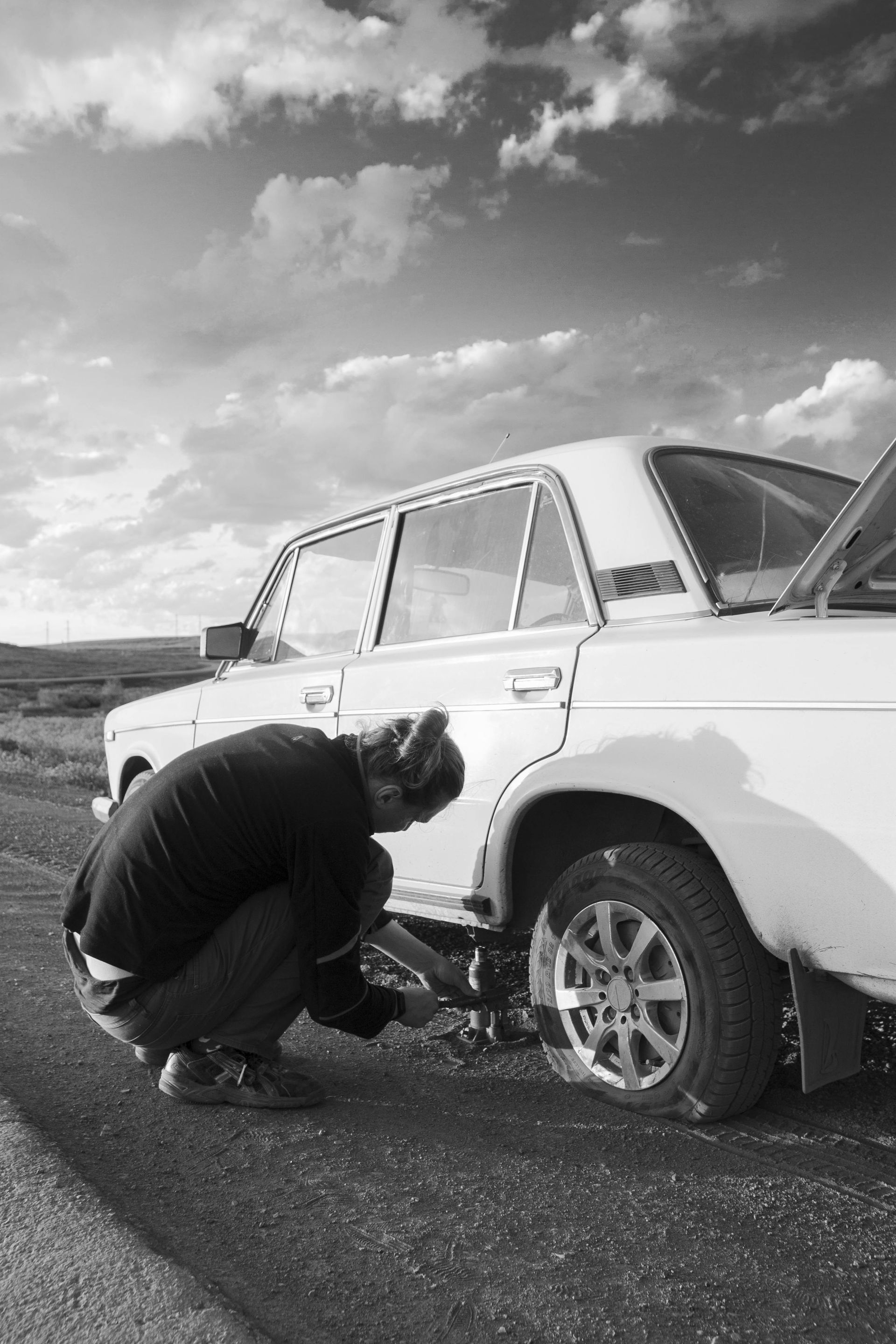
Some people are comfortable changing a tire, but not every scenario is safe for a DIY fix. South Florida’s traffic volume and heat create risks that many drivers do not expect.
Factors to Consider Before Changing a Tire
Safe for DIY
- You are in a quiet area with wide spaces.
- You have the correct tools.
- You are on level ground.
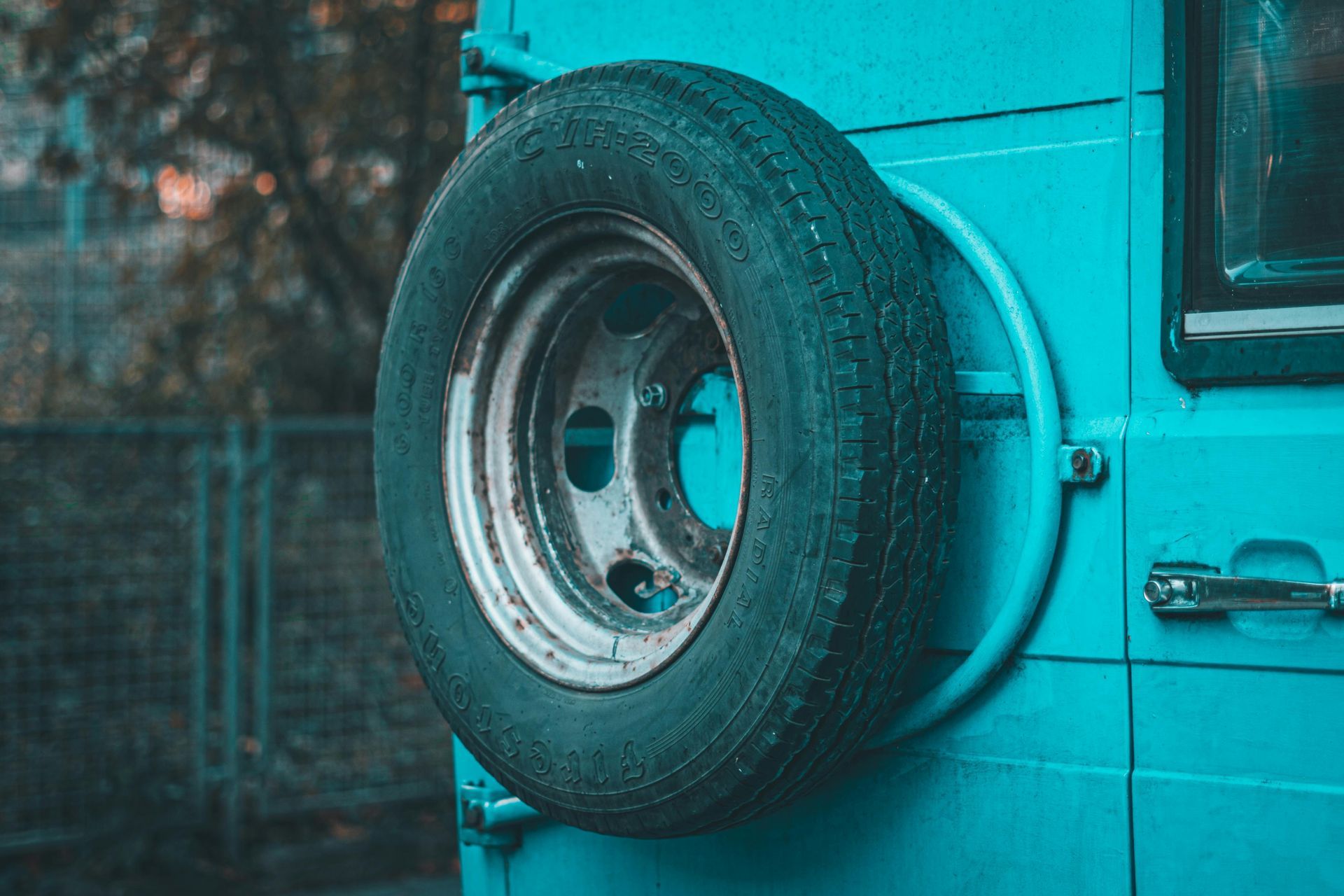
- The spare tire is properly inflated.
Avoid DIY
- You are near fast-moving traffic.
- The shoulder is narrow.
- The weather is extremely hot or stormy.
- You are unsure how to use your tools.
- The damage is from a blowout tire.
Because of these factors, many drivers choose professional mobile help instead of changing a tire themselves.
How 24/7 Mobile Tire Repair Services Assist Drivers
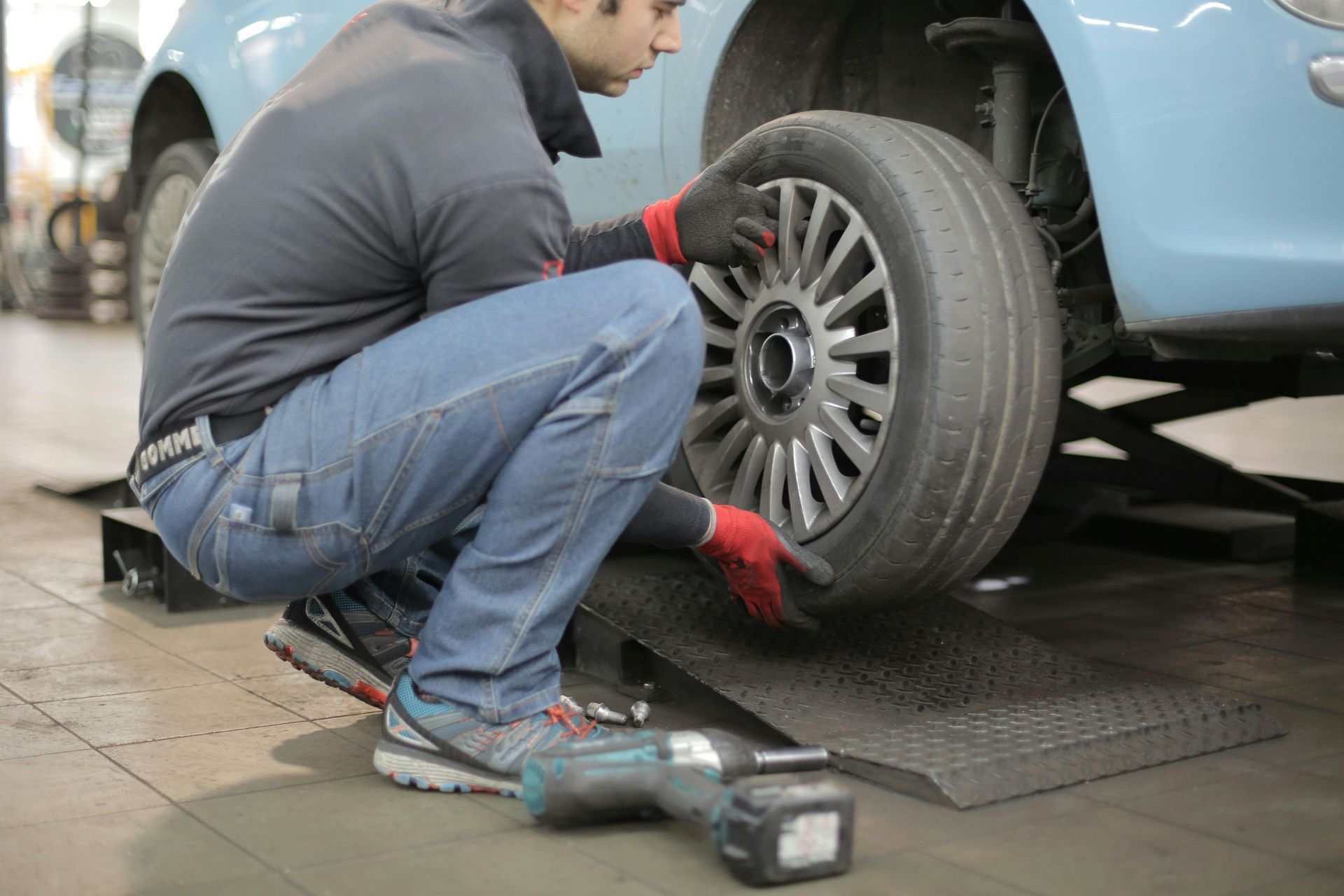
Mobile tire repair has become a preferred choice in South Florida due to convenience and safety. Instead of waiting for a tow truck or driving on a flat, a technician comes directly to your location.
Benefits of Mobile Tire Repair
Convenience
You do not need to travel to a shop. The technician brings professional tools, replacement tires, and repair equipment directly to you.
Faster Service
Mobile crews often reach drivers faster than traditional roadside assistance services. This is helpful if you are stuck at home, at work, in a parking lot, or at a hotel.
Safer Than DIY
Working on a vehicle near traffic requires professional training. Mobile technicians handle everything from tire mounting to pressure testing in a controlled, safe way.
Works for Many Situations
These services help with:
- Nail or screw punctures
- Valve stem damage
- Locked or stuck lug nuts
- Mounting new tires
- Safety checks after installation
Mobile tire repair is particularly helpful for families, commuters, and anyone who drives frequently between South Florida cities.
Side-by-Side Comparison: What To Do for Different Tire Problems
| Tire Issue | What To Do | Why |
|---|---|---|
| Slow puncture | Repair or mobile assistance | Prevents further damage |
| Rapid leak | Stop immediately and inspect | Tire may not be safe to drive on |
| Blowout tire | Pull over safely and call for help | Usually not repairable |
| Worn tread | Replace before long trips | Reduces heat buildup and hydroplaning |
| Damaged rim | Avoid DIY and seek professional repair | Special equipment required |
Practical Tire Maintenance Tips for South Florida Drivers
Proper maintenance improves tire longevity and reduces the chance of a blowout. A few simple habits go a long way.
1. Maintain the Right Tire Pressure
Underinflation is one of the leading tire blowout causes. Overinflation also causes uneven wear. Use a simple gauge to check monthly and adjust according to the vehicle’s recommended PSI.
2. Monitor Tread Wear and Condition
Good tread helps with grip during the rainy season and reduces hydroplaning risks. Inspect tread depth and watch for:
- Bald patches
- Bulges
- Cuts
- Cracks
Heat accelerates aging, so tires may look worn even if the mileage is low.
3. Rotate Tires Regularly
Rotations help your tires wear evenly. Uneven wear creates stress points that can lead to tire blowouts during long drives.
4. Avoid Road Hazards When Possible
South Florida roads often have:
- Potholes
- Broken pavement
- Construction debris
- Storm leftovers
Staying alert helps prevent sudden punctures.
5. Replace Tires Before They Age Out
Even if tread remains acceptable, older tires become vulnerable to cracks and structural weakness. Heat exposure shortens their lifespan.
What Should You Do If You Have a Tire Blowout?
A blowout tire requires calm action. If you have a tire blowout, follow this sequence:
- Hold the steering wheel firmly.
- Keep the vehicle straight.
- Slowly release the gas pedal.
- Do not brake until you have slowed significantly.
- Guide the car to a safe stopping area.
- Turn on hazard lights.
Blowouts usually cannot be repaired. Calling 24/7 mobile tire repair in South Florida is often the safest option for immediate help.
Frequently Asked Questions
Can a flat tire be repaired on the road?
Yes, small punctures can usually be fixed on site. If the damage is on the sidewall or involves a blowout, a replacement is needed instead.
How long can you drive on a flat tire?
Driving on a flat tire causes severe rim and suspension damage. It should only be driven a few feet to reach a safe stopping point.
What should you do if you have a tire blowout on the highway?
Keep the wheel steady and let the vehicle slow naturally. Pull over when safe and call for assistance.
Do mobile tire repair services work during storms?
Many do, but service availability depends on weather severity and safety conditions. Technicians prioritize safe environments for customers and themselves.
How can I reduce the risk of a tire blowout?
Check your tire pressure regularly and replace worn or old tires early. Avoiding road hazards and following basic maintenance tire guidelines also helps.
Final Thoughts
A flat tire in South Florida can be stressful, but knowing the right steps and keeping up with simple tire maintenance tips makes the situation easier to handle. With the availability of 24/7 mobile tire repair South Florida services, drivers can stay safe and get reliable help no matter where the road takes them.
Keep your tires safe and rolling—schedule a convenient mobile tire repair today!
Reference:
https://www.pirelli.com/tires/en-us/car/driving-and-tire-tips/how-to-read/recommended-tire-pressure