Blowout Tire Warning Signs Drivers Often Miss
A tire blowout can happen suddenly and without much warning, often leaving drivers little time to react. While some blowouts occur due to unavoidable road hazards, many are preceded by subtle signs that drivers overlook during everyday use. Recognizing these early indicators can help reduce the risk of losing control, experiencing delays, or facing unexpected repair costs.
This article explores the most common blowout tire warning signs drivers often miss. By understanding how tires behave as they wear, overheat, or lose pressure, drivers can make better decisions about maintenance and safety. Awareness does not guarantee prevention, but it can improve preparedness and encourage timely inspection.
Key Takeaways
- Tire blowouts are often preceded by warning signs that go unnoticed
- Changes in tire appearance or handling can signal underlying issues
- Heat, pressure, and wear play major roles in blowout risk
- Regular visual checks can reveal early signs of trouble
- Unusual sounds or vibrations should never be ignored
- Early attention helps drivers address problems before emergencies occur
What Is a Tire Blowout and Why Does It Happen
Understanding a Tire Blowout
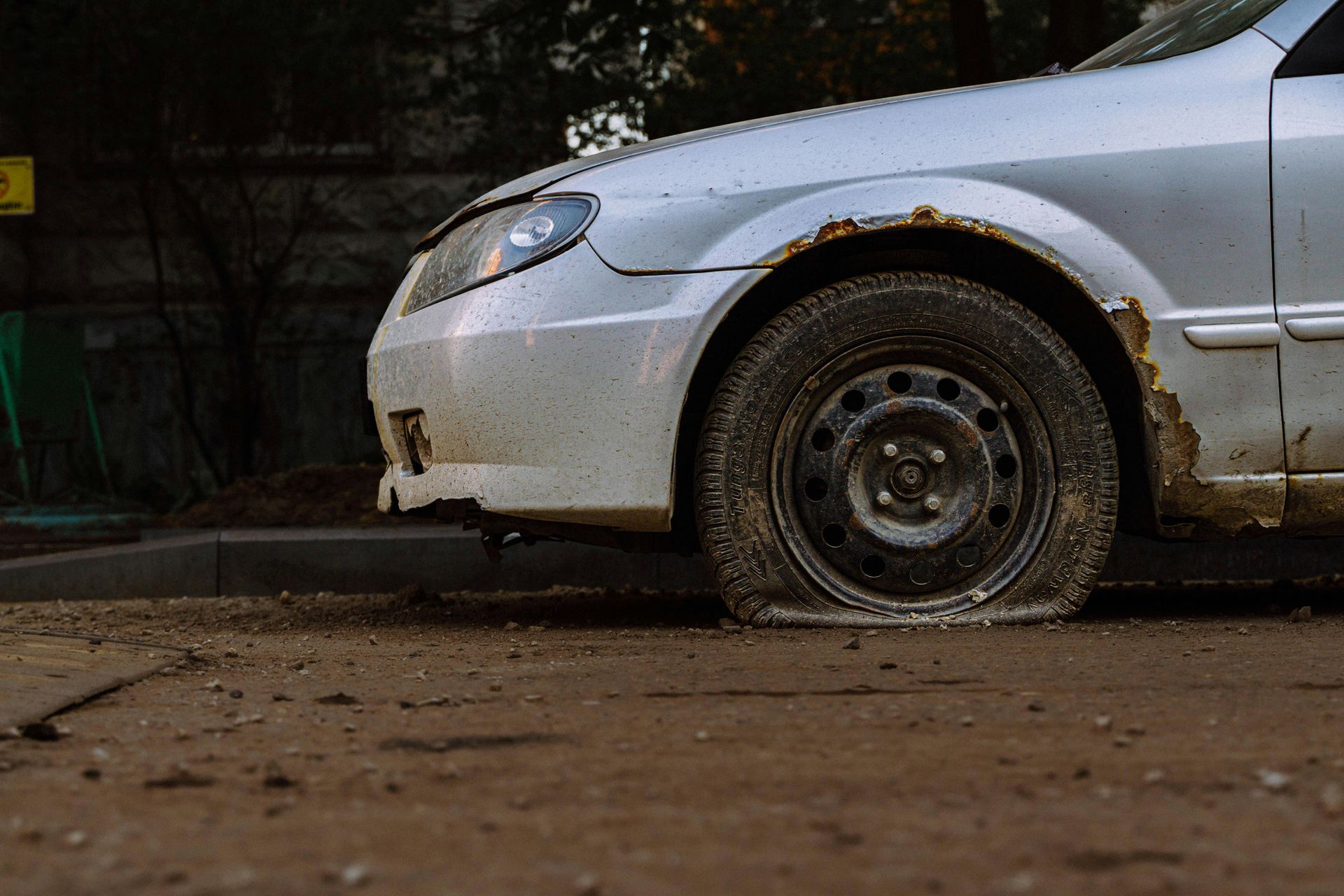
A tire blowout occurs when a tire rapidly loses air pressure, often resulting in a loud noise and sudden loss of vehicle stability. Blowouts may affect any tire but are especially dangerous at highway speeds.
Unlike slow leaks or minor flats, blowouts happen quickly and can limit a driver’s ability to respond.
Common Factors That Contribute to Blowouts
Blowouts are often linked to a combination of factors rather than a single cause. Heat buildup, underinflation, overloading, and worn tread all increase stress on tire materials.
Over time, these conditions weaken the tire structure, making failure more likely.
Uneven or Excessive Tread Wear
How Tread Wear Develops
Tires wear down gradually as they make contact with the road. Uneven wear patterns may develop due to improper alignment, unbalanced tires, or suspension issues.
Excessive wear reduces traction and compromises the tire’s ability to dissipate heat.
Why Drivers Miss This Warning Sign
Many drivers check tread depth infrequently or only glance at tires without close inspection. Uneven wear may be subtle at first and easy to overlook.
Ignoring worn tread increases the chance of tire failure under stress.
Bulges, Blisters, or Sidewall Damage
What Sidewall Damage Looks Like
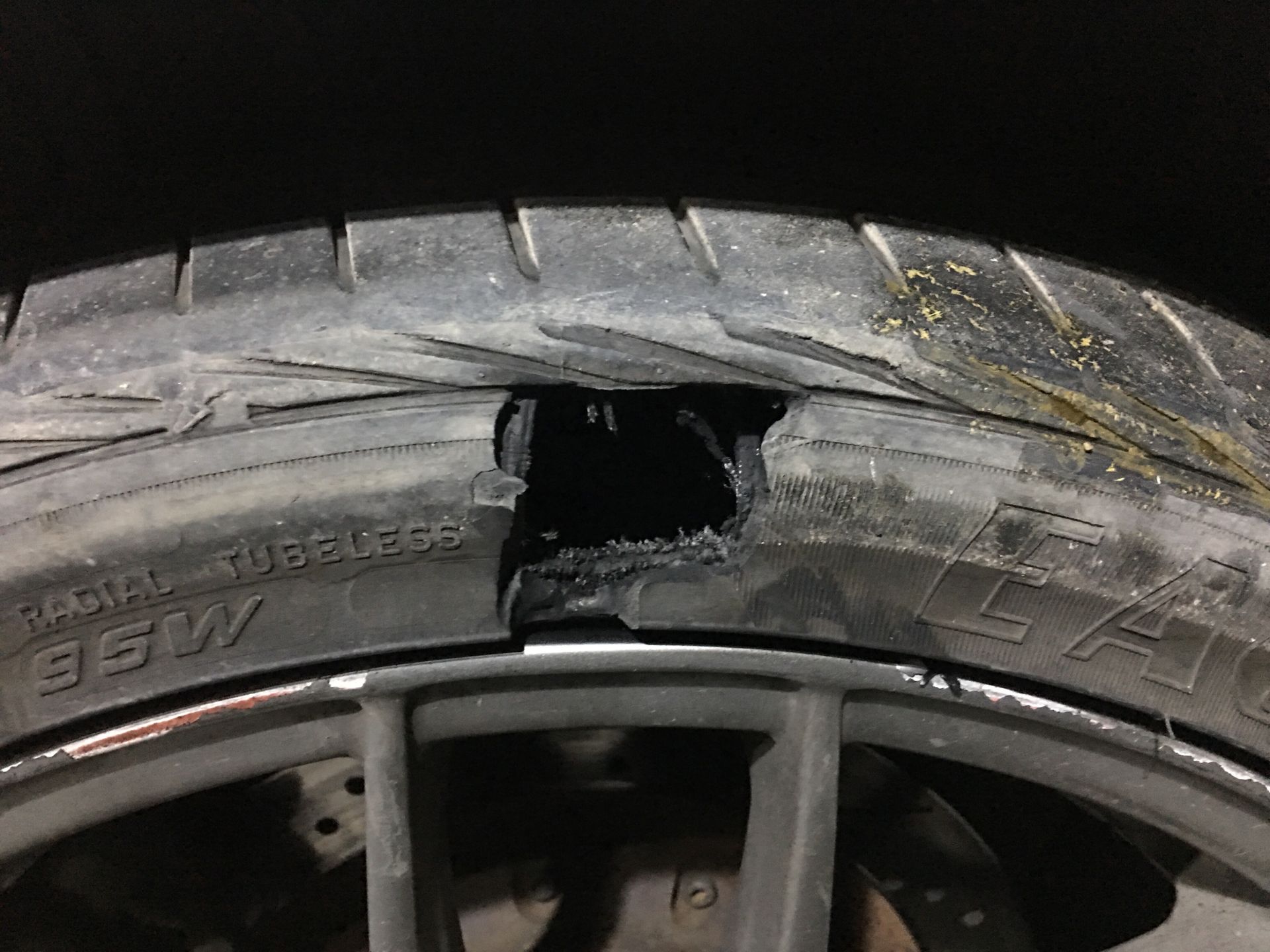
Bulges or blisters on the tire sidewall indicate weakened internal layers. These deformities often result from impacts with potholes, curbs, or road debris.
Sidewall damage is one of the most serious warning signs of an impending blowout.
Why Sidewall Issues Are Often Ignored
Drivers may assume bulges are cosmetic or temporary. However, sidewalls support the tire’s structure and cannot be safely repaired once damaged.
Any visible deformation should be addressed promptly.
Frequent or Unexplained Tire Pressure Loss
Pressure Changes as a Warning Signal
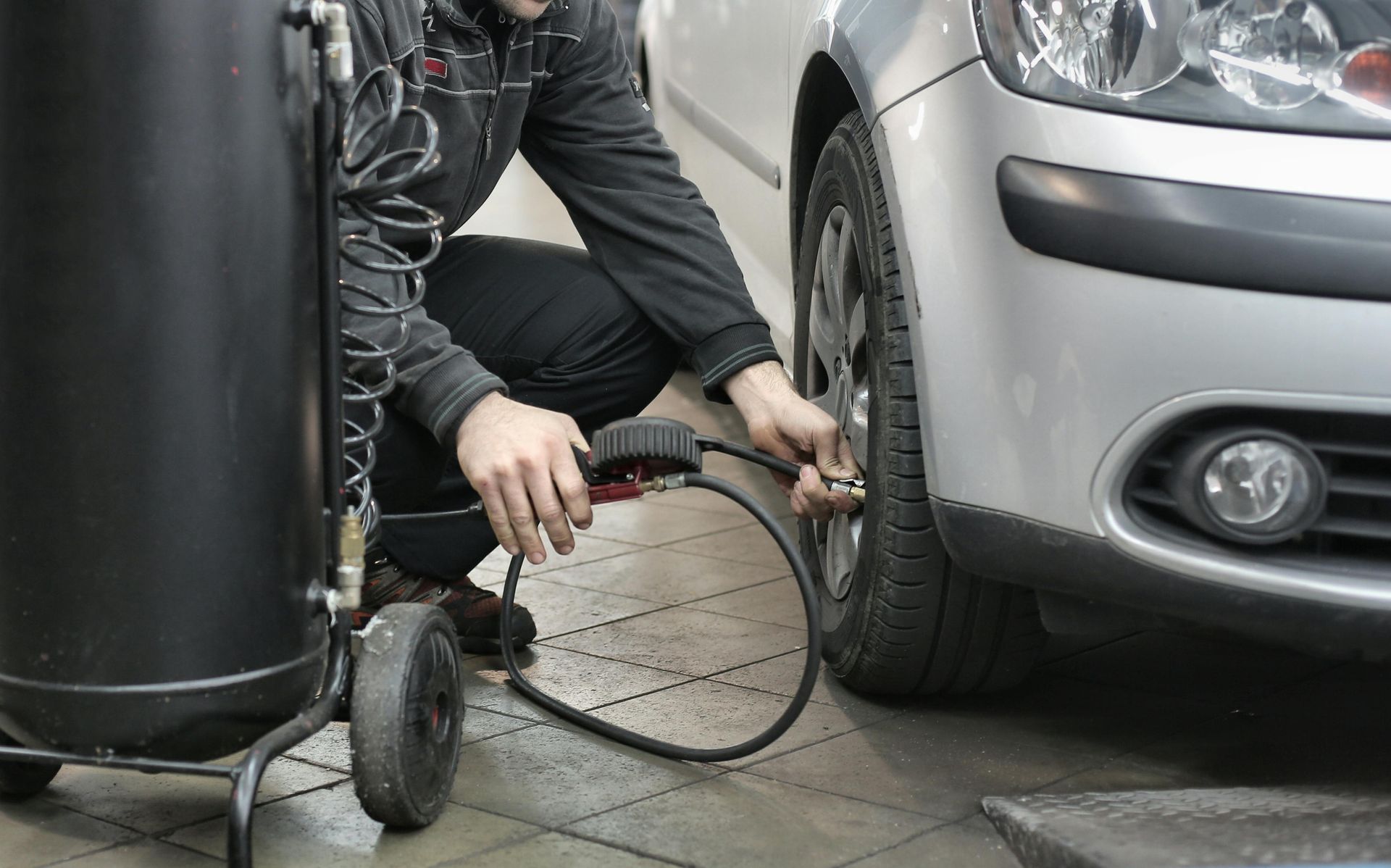
A tire that consistently loses air may have a slow leak, damaged valve stem, or compromised seal. Underinflation increases friction and heat buildup.
Heat weakens the tire over time, making a blowout more likely.
Why Drivers Delay Action
Topping off air may seem like a simple fix, leading drivers to postpone inspection. Repeated pressure loss is a sign of a deeper issue that should not be ignored.
Monitoring pressure regularly helps identify patterns.
Vibrations While Driving
What Tire Related Vibrations Mean
Unusual vibrations can signal uneven wear, internal damage, or balance issues. Vibrations may become more noticeable at higher speeds.
These sensations indicate stress within the tire or wheel assembly.
Why Vibrations Are Misattributed
Drivers often blame vibrations on road conditions or vehicle age. While other factors may contribute, tire issues are a common cause.
Persistent vibrations warrant further evaluation.
Changes in Vehicle Handling
Steering Pull or Reduced Stability
If a vehicle pulls to one side or feels unstable, tire problems may be involved. Blowout risk increases when tires are unevenly worn or improperly inflated.
Handling changes can develop gradually, making them easy to dismiss.
How Handling Issues Relate to Blowouts
Loss of tire integrity affects how a vehicle responds to steering and braking. These changes often appear before more severe failure occurs.
Addressing handling concerns early supports safer driving.
Excessive Heat After Driving
Heat as a Key Factor in Tire Failure
Tires generate heat during normal use. Excessive heat accelerates rubber breakdown and weakens internal components.
Long drives, heavy loads, and high speeds increase heat buildup.
Why Heat Warning Signs Are Missed
Drivers rarely check tire temperature. Heat damage is invisible until symptoms such as cracking or failure appear.
Allowing tires to cool and inspecting them after long trips can help identify issues.
Cracks in the Tire Rubber
How Rubber Degrades Over Time
Tire rubber deteriorates due to age, UV exposure, and environmental factors. Small cracks may appear on the sidewall or between tread blocks.
These cracks indicate reduced flexibility and strength.
Why Aging Tires Are Overlooked
Tires may appear usable despite age-related damage. Drivers often focus on tread depth while ignoring rubber condition.
Older tires can fail even if tread remains.
Noisy Tires or Unusual Sounds
Sounds That May Signal Trouble
Thumping, humming, or rhythmic noises can indicate internal damage or uneven wear. These sounds may worsen with speed.
Noise often precedes visible damage.
Why Drivers Tune Out Tire Noise
Road noise is common, making it difficult to distinguish warning sounds. Consistent or changing noise patterns should prompt inspection.
Listening to changes helps identify problems early.
Overloading the Vehicle
How Weight Affects Tire Integrity
Carrying excessive weight increases pressure and heat within tires. Overloaded tires are more likely to fail, especially during long drives.
Vehicle load limits are designed to protect tires and suspension.
Why Overloading Goes Unnoticed
Drivers may not realize how cargo or towing affects tire stress. Gradual increases in load can push tires beyond safe limits.
Understanding capacity supports safer travel.
Tire Repairs That May Increase Risk
Temporary Repairs and Their Limits
Plug or patch repairs may not address internal damage. While some repairs are safe, others may only provide short term relief.
Improper repairs can weaken the tire structure.
Why Repaired Tires Need Monitoring
Drivers often assume repaired tires are problem-free. Monitoring performance and pressure helps ensure continued safety.
When in doubt, a professional assessment is recommended.
Seasonal Factors That Affect Tire Health
Heat and Summer Driving
High temperatures increase tire pressure and stress. Summer driving conditions often accelerate wear and failure risk.
Checking tires before long trips is especially important during warmer months.
Cold Weather Effects
Cold temperatures reduce tire pressure, increasing flex and friction. Seasonal changes require pressure adjustments.
Ignoring seasonal effects can lead to gradual deterioration.
Comparing Warning Signs and Associated Risks
| Repair Method | Typical Cost Range | Expected Durability | Best Application |
|---|---|---|---|
| DIY Plug | $5-15 | Temporary to 6 months | Emergency roadside repair |
| Professional Plug | $15-25 | 6 months to 1 year | Quick shop repair |
| Patch Repair | $25-40 | Tire lifetime | Permanent fix |
| Plug-Patch Combo | $30-50 | Tire lifetime | Optimal durability |
This table highlights how different signs relate to potential risk.
Preventive Steps Drivers Can Take
Routine Visual Inspections
Checking tires for wear, damage, and pressure helps catch early warning signs. Visual inspections require minimal time but offer valuable insight.
Consistency improves awareness.
Following a Tire Maintenance Schedule
Rotating tires, checking alignment, and maintaining proper inflation support even wear. Maintenance schedules help extend tire life.
Preventive care reduces unexpected failures.
When to Seek Professional Help
Recognizing When DIY Checks Are Not Enough
Some warning signs require professional evaluation. Internal damage and structural issues cannot be assessed visually.
Timely inspection supports safer decisions.
Benefits of Professional Tire Assessment
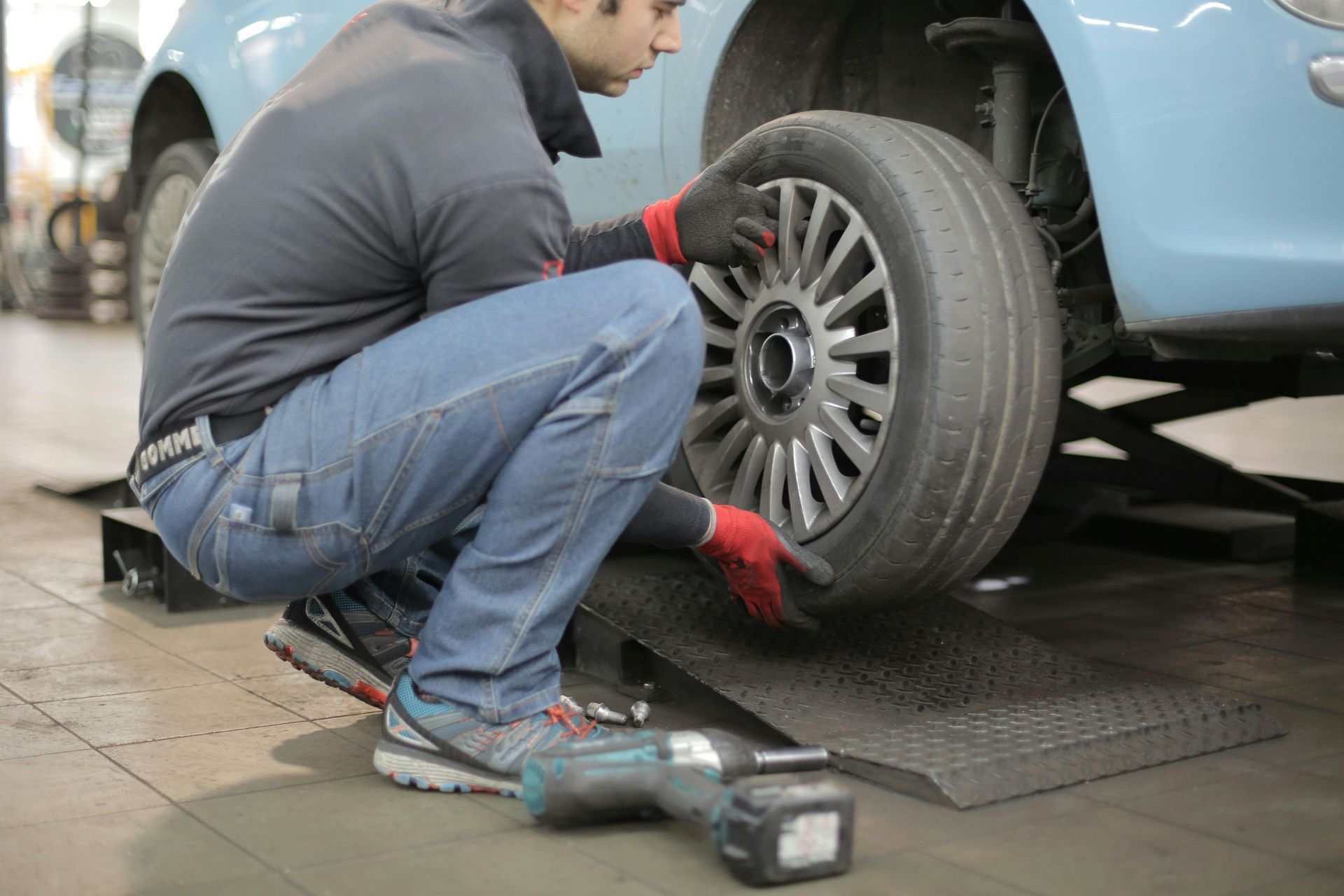
Professionals use tools and experience to identify hidden problems. Their recommendations help drivers choose appropriate next steps.
Early assessment often prevents roadside emergencies.
Frequently Asked Questions
How long do tire plug repairs typically last?
Tire plugs can last anywhere from a few months to over a year, depending on driving conditions and installation quality. They work best as temporary solutions until permanent repairs can be completed.
Can I drive at highway speeds with a plugged tire?
Most properly installed tire plugs can handle highway speeds, but it's recommended to check tire pressure frequently and monitor for any changes in handling. Consider the repair temporary and seek professional evaluation when possible.
Is it safe to repair a tire multiple times?
Multiple repairs are generally acceptable if they're properly spaced apart and don't compromise the tire structure. Professional evaluation helps determine if additional repairs are safe or if replacement is necessary.
Which repair method works best for run-flat tires?
Run-flat tires typically cannot be safely repaired once damaged due to their specialized construction and the stress from driving while deflated. Replacement is usually the only safe option.
How do I know if a puncture is too large to repair?
Punctures larger than 1/4 inch in diameter generally cannot be safely repaired with standard methods. Professional inspection can determine if the damage falls within repairable limits.
Final Thoughts
Blowout tire warning signs often appear long before a tire fails completely. Changes in appearance, sound, and vehicle handling provide valuable clues that something may be wrong. By paying closer attention to these indicators and addressing issues early, drivers can reduce the likelihood of experiencing a
blowout on the road. Awareness and routine care play important roles in maintaining tire safety.
If you have noticed unusual tire behavior or want reassurance before your next trip, a professional tire inspection can help identify concerns early.
Reference:
https://www.jcmotorsinc.com/how-to-handle-a-tire-blowout-at-high-speeds