Tire Maintenance Schedule Basics Every Driver Should Follow
Proper tire maintenance is one of the most important aspects of vehicle care. Tires are the only point of contact between a vehicle and the road, making them essential for safety, handling, and fuel efficiency. Unfortunately, many drivers neglect regular tire maintenance, leading to premature wear, reduced performance, and an increased risk of blowouts or accidents.
Understanding and following a tire maintenance schedule ensures tires last longer, perform better, and help drivers avoid costly repairs or roadside emergencies. This guide outlines the basics of tire maintenance schedules, explains why each step is necessary, and provides practical tips for drivers to stay on track.
Key Takeaways
- Regular tire maintenance extends tire life and improves safety
- Proper inflation and tread depth checks are crucial for performance
- Rotating tires and aligning wheels prevent uneven wear
- Seasonal and environmental factors impact tire health
- Timely replacement avoids blowouts and reduces repair costs
- A structured maintenance schedule helps drivers proactively manage tire safety
Why Tire Maintenance Matters
Safety First
Tires play a critical role in vehicle stability, steering, and braking. Worn or improperly maintained tires increase stopping distances and reduce handling, especially in wet or slippery conditions. Proper maintenance ensures tires remain reliable under all driving circumstances.
Cost Efficiency
Regular maintenance extends tire lifespan and reduces the likelihood of premature replacement. Identifying issues early prevents expensive repairs related to blowouts, wheel damage, or alignment problems.
Performance and Fuel Efficiency
Correctly inflated and well-maintained tires improve fuel economy and ride quality. Uneven or underinflated tires can increase rolling resistance, reducing efficiency and making driving less comfortable.
Key Components of a Tire Maintenance Schedule
Tire Pressure Checks
Why Proper Inflation Matters
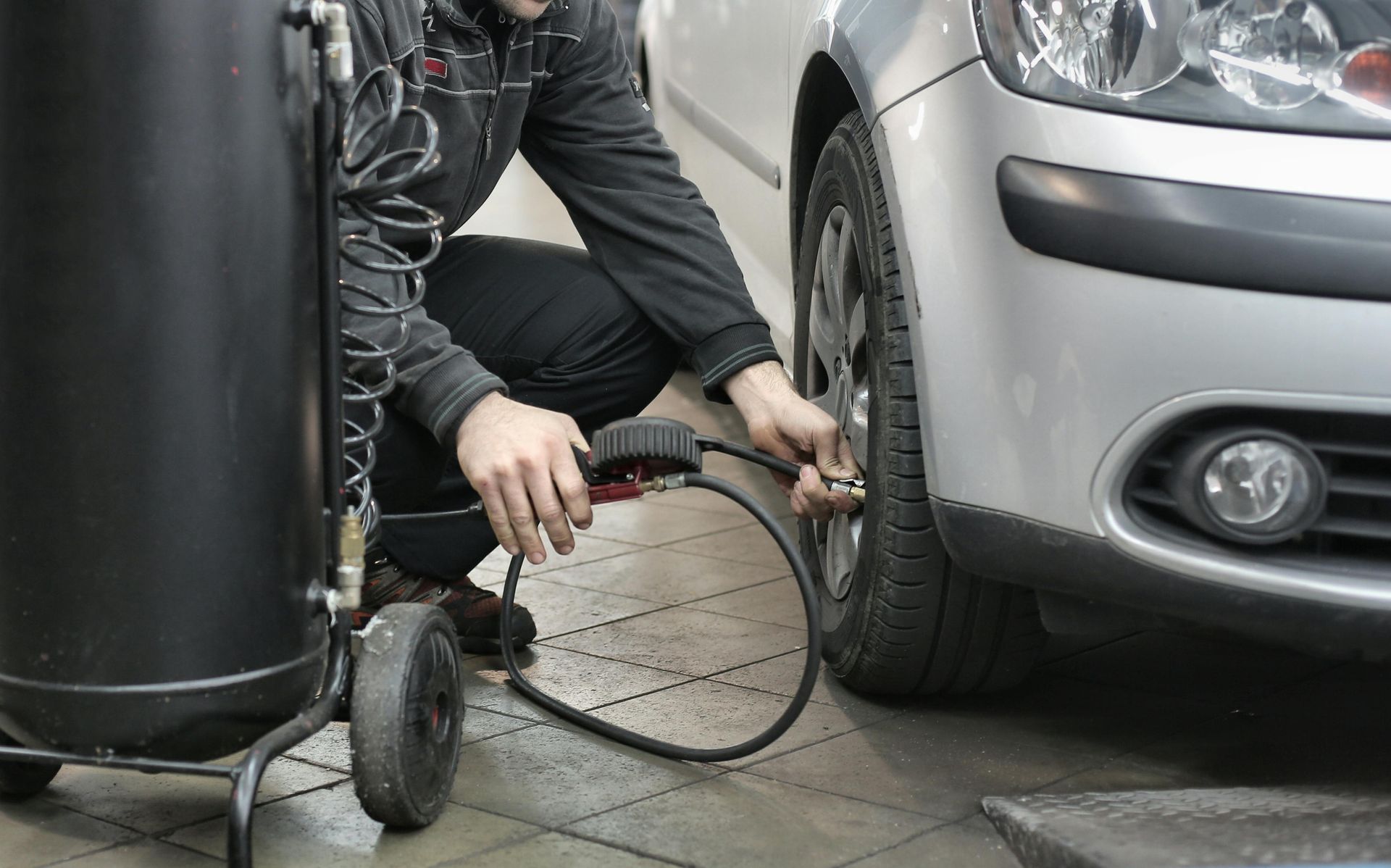
Tires that are overinflated or underinflated wear unevenly and handle poorly. Underinflation generates heat, which can weaken tire structure, while overinflation increases the risk of impact damage.
How Often to Check
- Monthly for all tires
- Before long trips or when carrying heavy loads
- After significant temperature changes
Always use a reliable tire pressure gauge and compare readings to manufacturer specifications.
Tread Depth Inspections
Importance of Tread
Tread provides traction, disperses water, and supports vehicle control. Worn tread increases the risk of hydroplaning and reduces braking efficiency.
Measuring Tread
Use a tread depth gauge or the penny test. Tires should generally be replaced when tread depth reaches 2/32 of an inch. Uneven tread wear may indicate alignment or balance issues.
Tire Rotation
Why Rotating Tires Matters
Tires wear unevenly due to differences in weight distribution, drivetrain configuration, and cornering forces. Rotating tires ensures even wear, improving longevity and performance.
Recommended Rotation Schedule
- Every 5,000 to 8,000 miles or as recommended by the vehicle manufacturer
- Follow a pattern based on vehicle type (front-wheel, rear-wheel, or all-wheel drive)
Wheel Alignment
Purpose of Alignment
Proper alignment ensures tires contact the road evenly. Misaligned wheels can cause uneven tread wear, reduced handling, and increased fuel consumption.
Signs Alignment Is Needed
- Vehicle pulls to one side
- Uneven tire wear
- Steering wheel vibration
Professional alignment checks are recommended annually or whenever symptoms appear.
Wheel Balancing
Why Balance Tires
Imbalanced tires can cause vibrations, uneven tread wear, and additional stress on suspension components. Balancing distributes weight evenly around the wheel.
When to Balance Tires
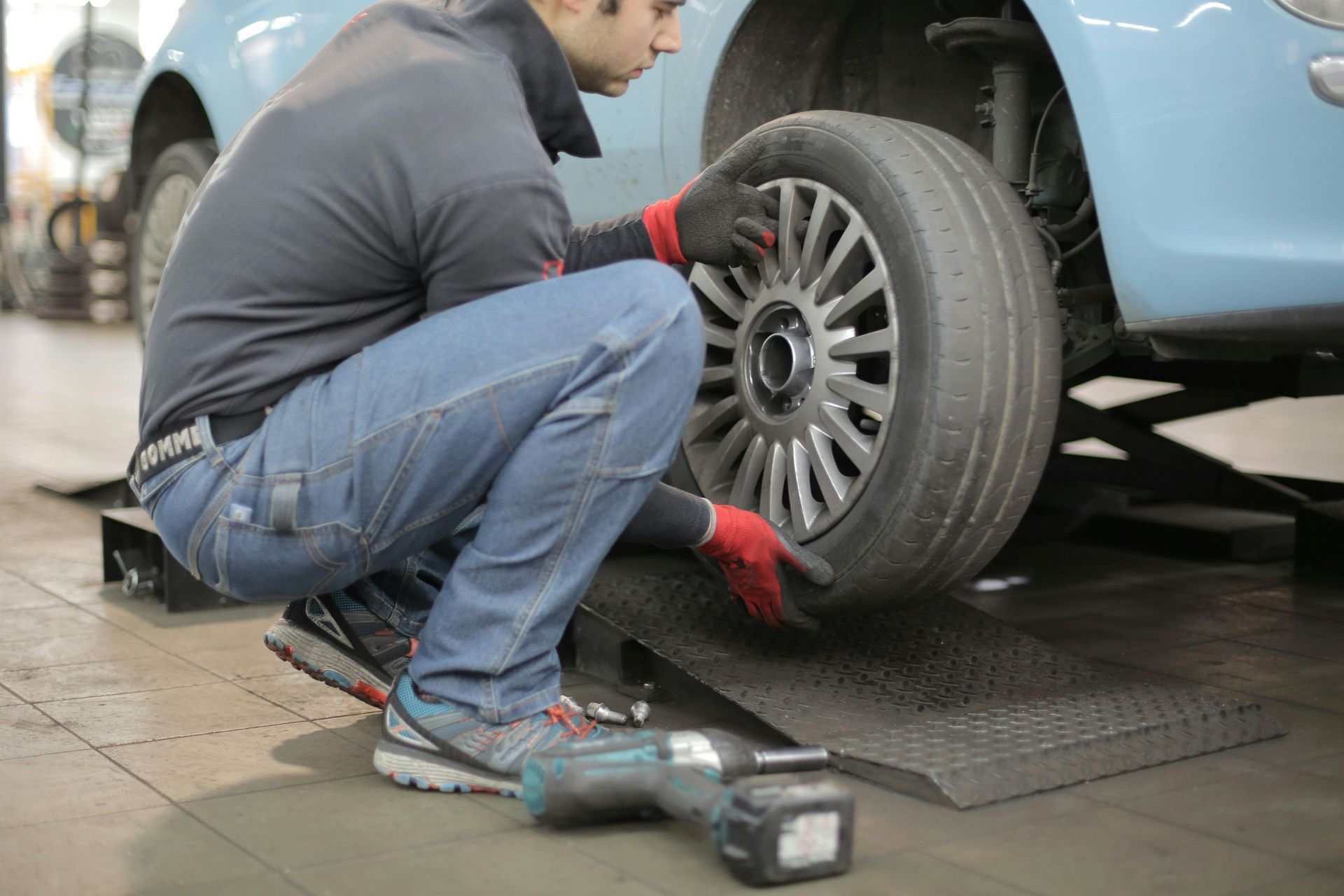
- After installing new tires
- Following tire rotations
- If vibrations are felt at higher speeds
Inspecting for Damage
Common Tire Damage
- Cuts, punctures, or embedded objects
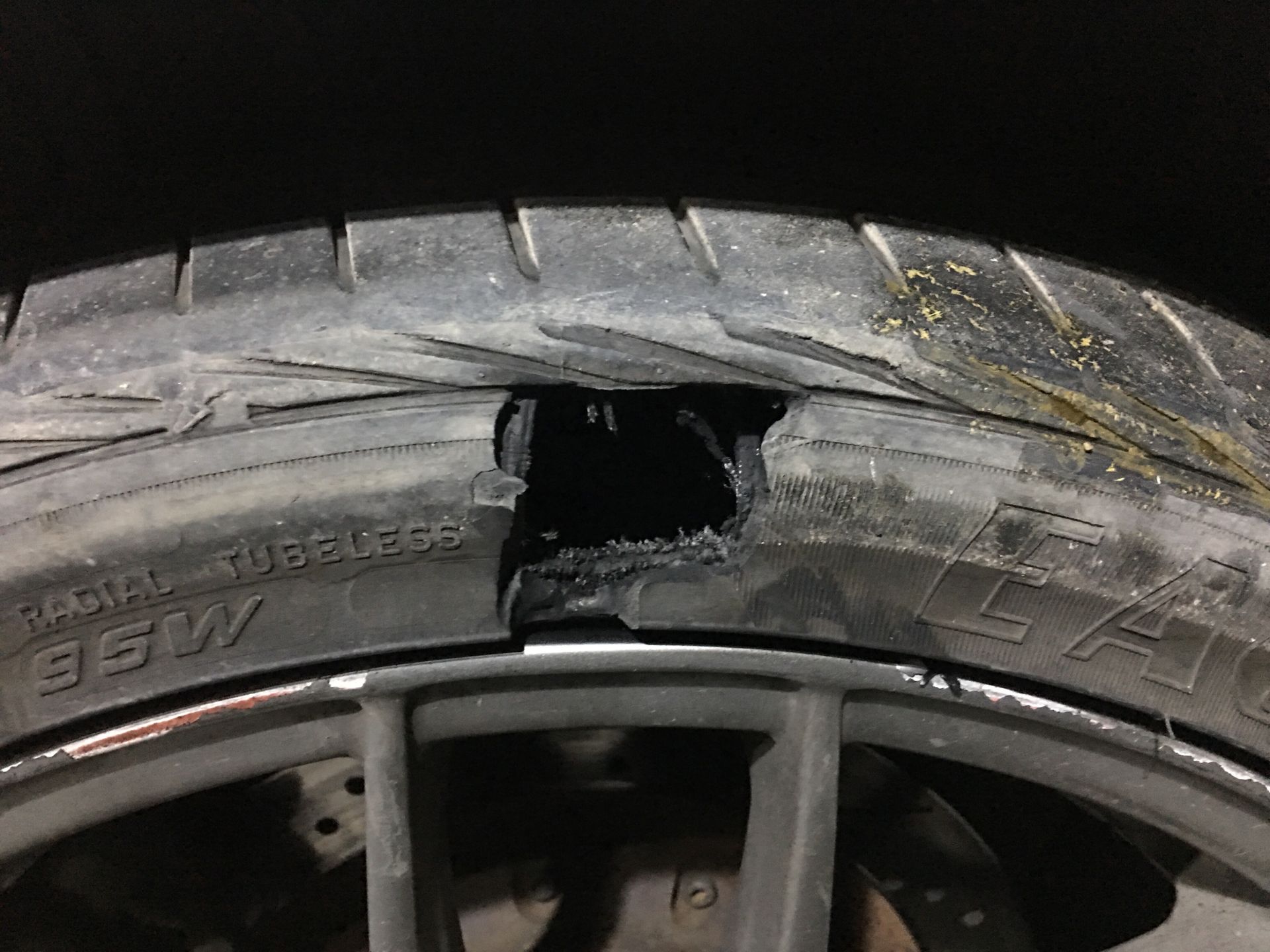
- Bulges or blisters on sidewalls
- Cracks due to aging or UV exposure
What to Do If Damage Is Found
- Small punctures may be repaired by a professional
- Sidewall damage or large defects usually require replacement
Seasonal and Environmental Considerations
Hot Weather
High temperatures increase tire pressure and accelerate wear. Inspect and adjust pressure during summer months and check tires before long road trips.
Cold Weather
Low temperatures reduce tire pressure and make rubber less flexible. Check and adjust pressure regularly during winter and inspect for cracks.
UV and Ozone Exposure
Tires exposed to sunlight or harsh conditions may degrade faster. Park in shaded areas or use tire covers when possible.
Tire Replacement Guidelines
- Replace tires when tread reaches 2/32 of an inch
- Replace tires older than six years regardless of tread
- Replace damaged tires immediately to maintain safety
- Consider all four tires together for consistent handling
Timely replacement protects the driver, passengers, and vehicle components.
Cleaning and Care
- Remove debris from treads and sidewalls regularly
- Wash tires periodically to prevent buildup of dirt, grime, and chemicals
- Avoid exposure to harsh chemicals that can weaken rubber
Proper cleaning supports tire longevity and visual inspections.
Emergency Preparedness
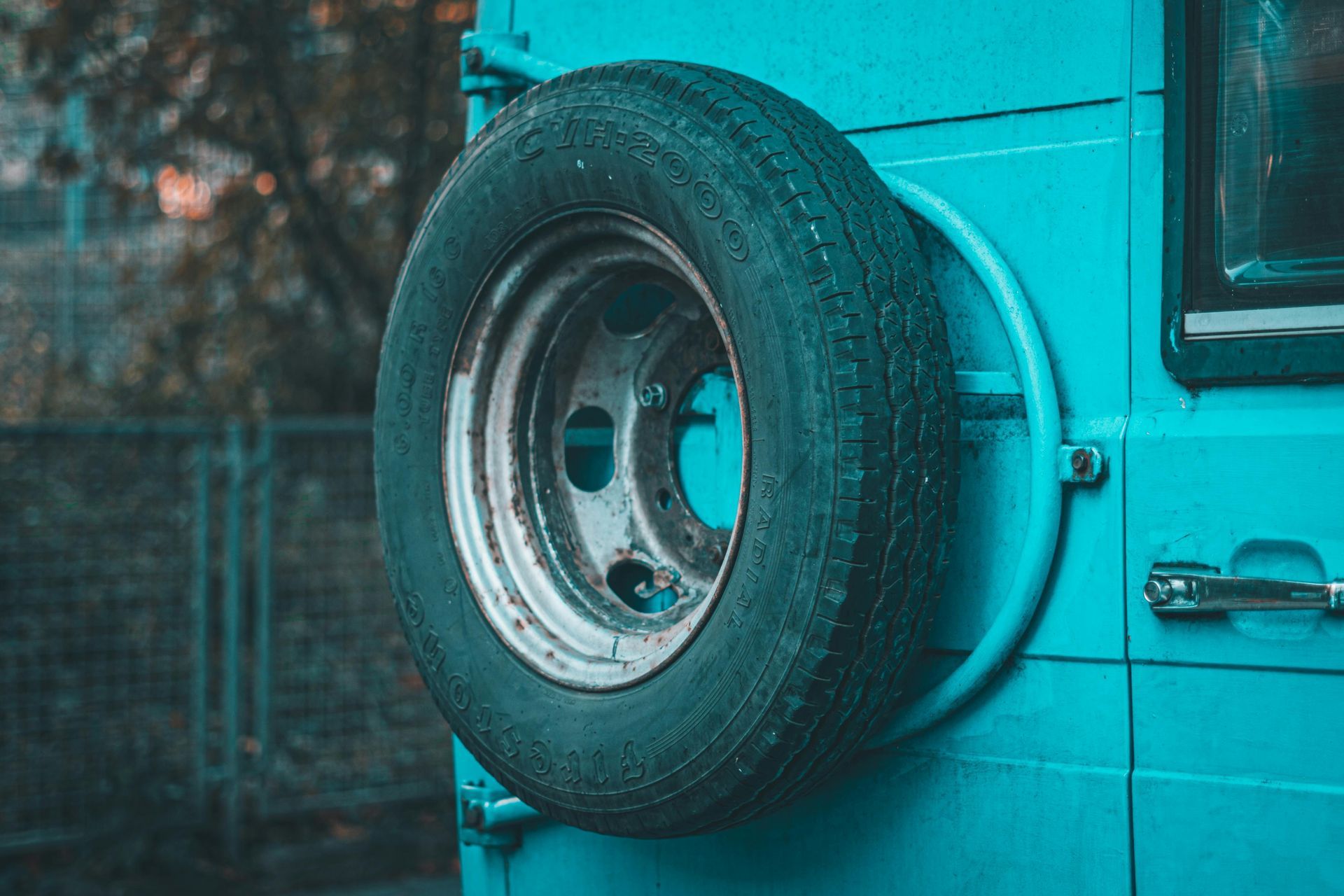
- Keep a spare tire in good condition
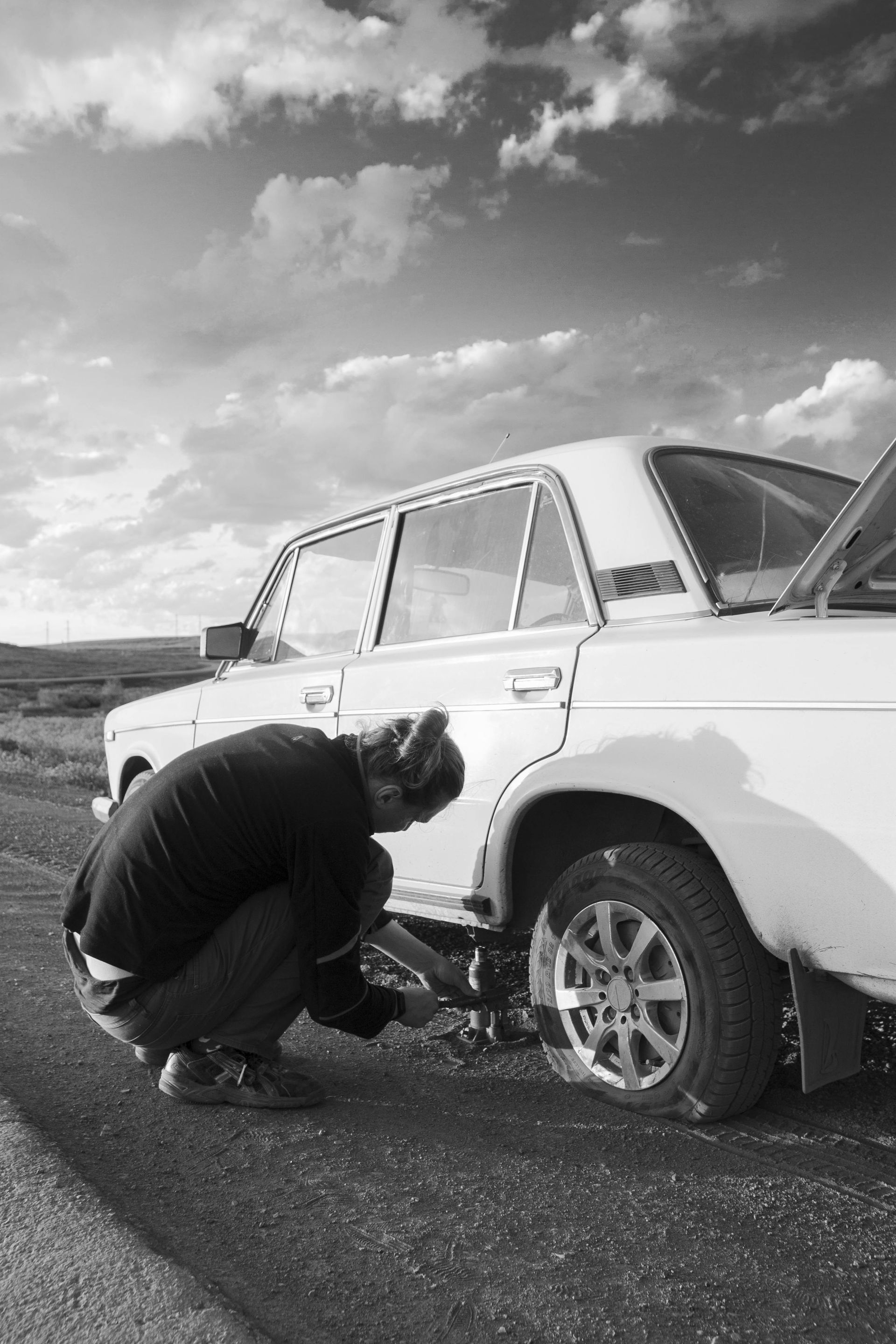
- Have a jack, wrench, and emergency kit in the vehicle
- Know how to change a tire or call for mobile tire repair services if needed
Being prepared reduces downtime and ensures safety during unexpected tire issues.
Benefits of Following a Maintenance Schedule
- Extended Tire Life: Proper rotation, balancing, and inflation prevent premature wear.
- Improved Safety: Well-maintained tires reduce the risk of blowouts and improve vehicle control.
- Cost Savings: Avoid costly repairs and replacements by catching problems early.
- Fuel Efficiency: Correctly inflated and balanced tires reduce rolling resistance, improving mileage.
- Enhanced Comfort: Even wear and proper alignment provide a smoother ride.
Comparing Maintenance Intervals
| Maintenance Task | Recommended Frequency | Notes |
|---|---|---|
| Tire pressure check | Monthly | Check cold tires for accurate readings |
| Tread depth inspection | Monthly or with rotation | Use tread gauge or penny test |
| Tire rotation | 5,000–8,000 miles | Follow vehicle-specific rotation pattern |
| Wheel alignment | Annually or as needed | Check if vehicle pulls or shows uneven wear |
| Wheel balancing | After installation or rotation | Helps prevent vibrations and uneven wear |
| Visual damage inspection | Monthly | Look for cuts, bulges, cracks, or embedded objects |
This table serves as a practical reference for establishing a consistent maintenance schedule.
Common Mistakes Drivers Make
- Ignoring small changes in tire behavior or appearance
- Failing to check pressure after seasonal temperature changes
- Skipping rotations and alignment checks
- Driving on worn tires beyond recommended tread limits
- Neglecting professional inspection after impacts or damage
Avoiding these mistakes ensures tires remain safe and reliable.
Additional Seasonal Tips
Preparing for Rainy Conditions
Tires perform differently in wet conditions. Standing water or slick roads can reduce traction, making tread depth and proper inflation even more critical. Drivers should inspect tires before the rainy season and replace any with worn tread. Regular rotation and alignment checks also help ensure even wear, which improves grip in wet weather.
Adjusting for Summer Heat
Extreme heat increases tire pressure and accelerates wear. Drivers should monitor pressure more frequently during hot months, especially before long highway trips. Parking in shaded areas when possible helps reduce UV damage and prevents premature rubber degradation.
Winter Readiness
Cold temperatures cause tires to lose pressure and become stiffer. Drivers should check pressure more often in winter months and look for signs of cracking or dry rot. Snow or ice conditions may also require switching to tires specifically designed for winter driving to maintain safety.
Frequently Asked Questions
How often should I check tire pressure
Monthly and before long trips or when carrying heavy loads.
Can I rotate tires myself
Yes, but proper rotation patterns depend on vehicle type. Professional service is recommended if unsure.
How do I know if a tire is too old
Check the manufacturing date on the tire sidewall. Replace tires older than six years even if tread remains.
Can I repair a tire with a sidewall bulge
No, sidewall damage indicates internal failure and usually requires replacement.
Do all four tires need replacement at the same time
It is recommended for consistent handling, especially if new tires differ significantly in tread depth or type.
Final Thoughts
Following a
tire maintenance schedule is essential for safety, performance, and cost savings. Regular inspections, pressure checks, rotations, alignments, and
seasonal adjustments ensure tires perform optimally and last longer. Drivers who proactively maintain their tires reduce the risk of blowouts, accidents, and expensive repairs. By understanding tire care basics and establishing a consistent maintenance routine, every driver can improve safety, comfort, and efficiency on the road.
If you want peace of mind and professional assistance, schedule a tire inspection today. Our team can provide on-site evaluation, repair, or replacement to keep your vehicle safe and prevent unexpected blowouts.
Reference:
https://www.tireagent.com/blog/your-tire-maintenance-schedule-how-often-should-you-check-tires